
Key takeaway
A healthy sauce does not need to be fancy. Start with one creamy or tangy base, add flavour from herbs, citrus, garlic or spices, then adjust slowly. The goal is simple: make nourishing meals taste good enough that you actually want to eat them.
Why sauces matter more than people think
Sauces and dressings can quietly change the whole feel of a meal. A plain bowl of vegetables, grains and protein can taste flat on its own, but a spoonful of yoghurt sauce, tahini dressing, salsa or vinaigrette can make it feel complete.
The tricky part is that many bottled options lean heavily on salt, sugar or rich oils for flavour. That does not mean you need to avoid them completely. It just means it helps to have a few easy homemade options, and to know what to look for when buying ready-made sauces.
Think of sauces as a small upgrade, not a health project. You are not trying to make perfect food. You are trying to make everyday meals easier to enjoy.
Start with a simple formula
For most quick sauces, use this basic pattern: base plus acid plus flavour plus a little fat or sweetness if needed.
The base gives the sauce body. Good options include plain yoghurt, blended beans, tahini, mashed avocado, tomato passata, olive oil, vinegar or a small amount of mayonnaise mixed with yoghurt.
Acid makes the sauce brighter. Lemon juice, lime juice, vinegar, pickle brine or a spoonful of mustard can lift the flavour without needing much salt.
Flavour comes from herbs, garlic, onion, chilli, pepper, smoked paprika, cumin, ginger or curry powder. Start small, taste, then add more.
Five easy sauce ideas to keep on rotation
1. Lemon yoghurt sauce: Mix plain yoghurt with lemon juice, grated garlic, black pepper and chopped parsley or dill. It works with grilled chicken, roasted vegetables, wraps and baked potatoes.
2. Quick tahini drizzle: Stir tahini with lemon juice and warm water until pourable. Add garlic, cumin or chilli flakes if you like. It is good over grain bowls, chickpeas, roasted carrots and salads.
3. Mustard vinaigrette: Shake olive oil, vinegar, Dijon mustard and a little honey in a jar. Use just enough to lightly coat greens, beans or leftover cooked vegetables.
4. Tomato and herb sauce: Warm canned tomatoes or passata with garlic, oregano and pepper. Use it with eggs, lentils, pasta, fish or vegetables.
5. Bean dip sauce: Blend white beans or chickpeas with lemon, garlic, olive oil and water. Leave it thick as a dip, or thin it into a sauce for bowls and wraps.
How to keep salt and sugar in check
You do not need to remove salt completely. A small amount can make food taste better, especially if it helps you eat more vegetables or home-cooked meals. The practical move is to add salt at the end, after herbs, acid and spices have had a chance to do their job.
For sweetness, use just enough to balance sharp flavours. A tiny drizzle of honey in a vinaigrette or a little fruit in salsa can be useful. If a bottled sauce tastes more like dessert than dressing, use a smaller amount or mix it with yoghurt, vinegar, citrus or plain tomato to stretch it.
When buying sauces, scan the label for serving size, sodium and added sugars. Also check whether the listed serving size matches how much you actually use. A tablespoon on the label can turn into three tablespoons on the plate very quickly.
Make sauces work for meal prep
Sauces are one of the easiest ways to make leftovers feel less repetitive. Keep one creamy sauce and one tangy sauce in the fridge, and you can turn similar ingredients into different meals across the week.
A few practical habits help. Store sauces in clean jars. Label them with the date. Keep fresh herbs separate if they wilt quickly. Add water to thin thick sauces right before serving. For food safety, do not dip used utensils back into the jar.
If you are short on time, do the smallest version: lemon, pepper and yoghurt; mustard, vinegar and olive oil; or salsa from a jar with extra lime and chopped herbs stirred through.
A simple plate example
Here is an easy lunch idea: cooked brown rice, leftover chicken or chickpeas, cucumber, leafy greens and a lemon yoghurt sauce. The sauce brings moisture and flavour, so the meal feels more satisfying without needing a lot of extra salt.
For dinner, try roasted vegetables with a tahini drizzle and a squeeze of lemon. Add a protein you like, then finish with herbs or pepper. It is basic, but it works.
Bottom line
Healthy eating is easier when food tastes good. A few reliable sauces and dressings can make simple meals feel fresh, flexible and worth repeating. Start with one sauce this week, keep the ingredients ordinary, and adjust it to your taste.
Image credits / licence notes
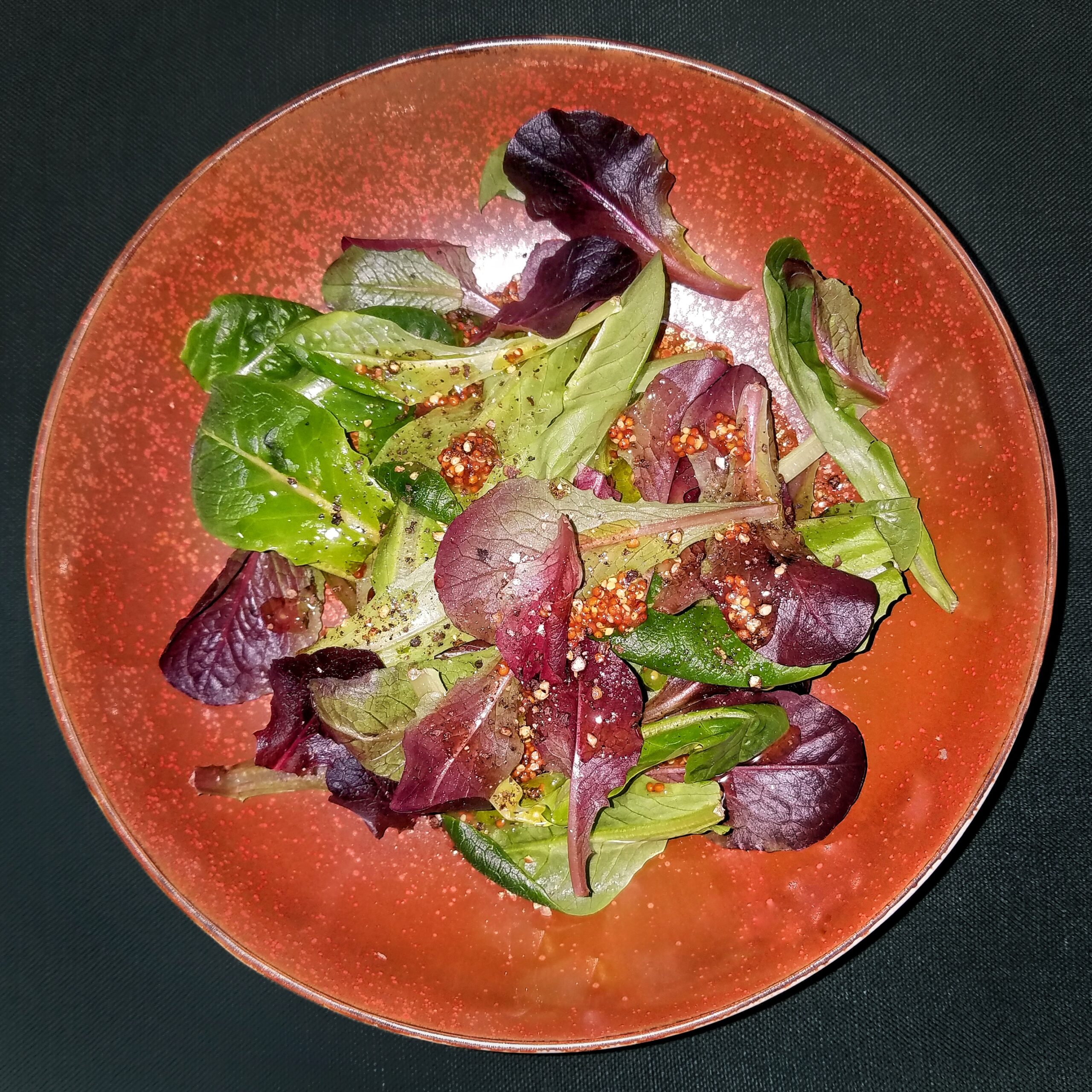
- A simple dressing can make everyday greens more appealing without needing heavy amounts of salt or sugar. Source: Wikimedia Commons file page. Creator/agency: Daderot. Licence: CC0 1.0 Public Domain Dedication.
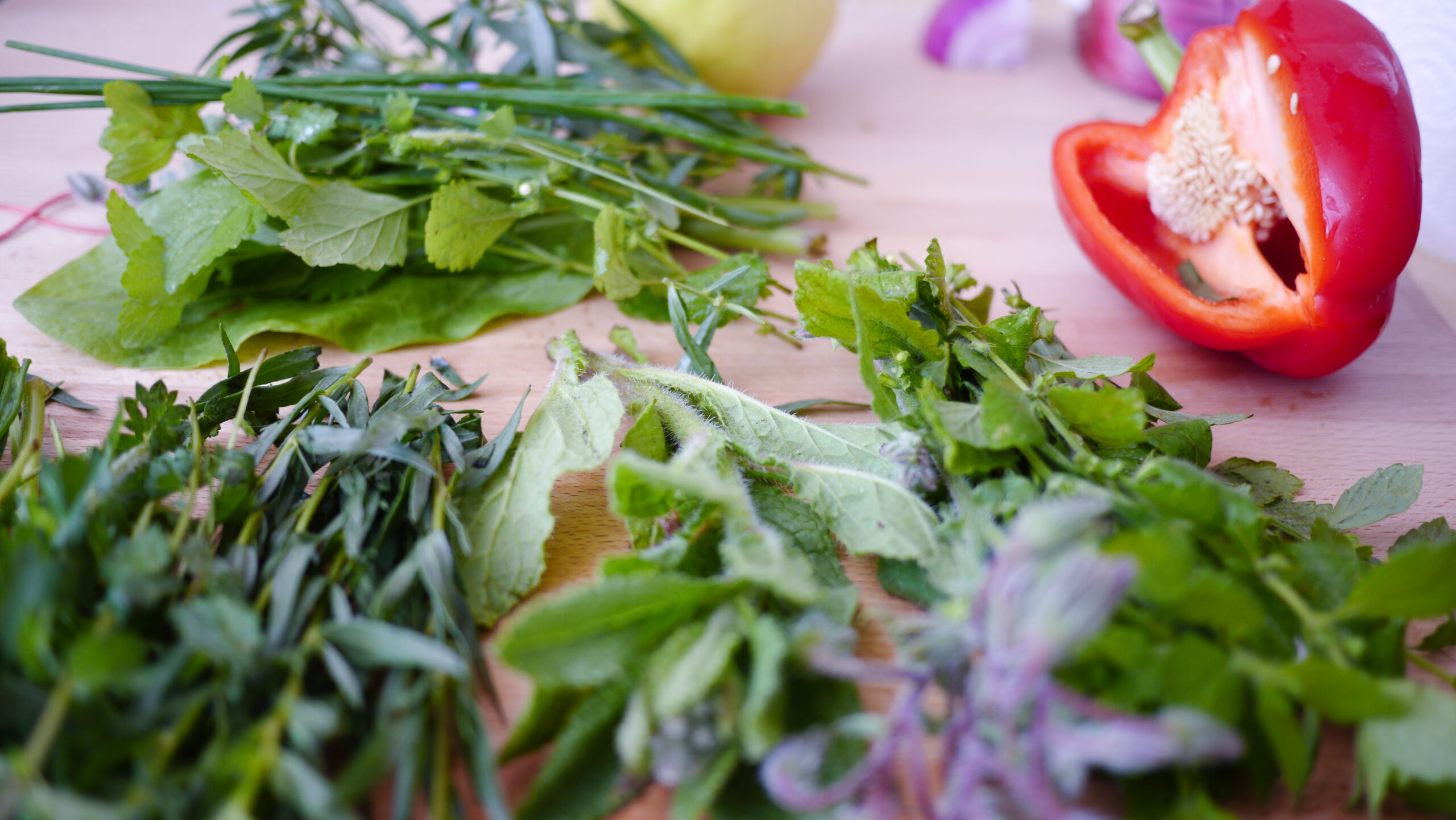
- Fresh herbs are an easy way to add brightness to sauces, dips and marinades. Source: Wikimedia Commons file page. Creator/agency: Thomas Rehehaeuser. Licence: CC0 1.0 Public Domain Dedication.
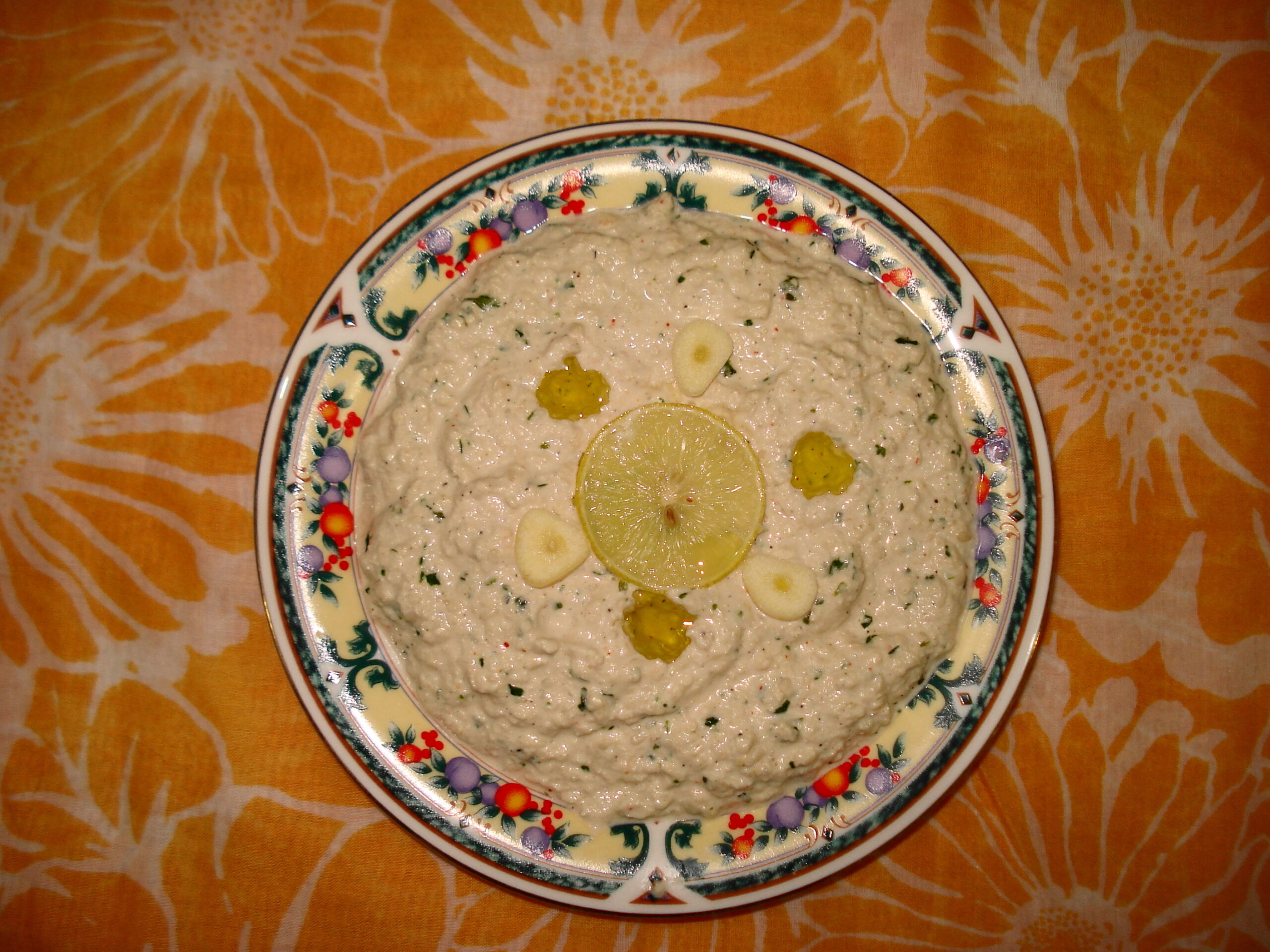
- Tahini, yoghurt, beans and herbs can all become quick sauces for vegetables, grains and proteins. Source: Wikimedia Commons file page. Creator/agency: Miansari66. Licence: CC0 1.0 Public Domain Dedication.




.jpg)
