
Calcium is one of those nutrients most people know is important, but it can still feel a bit vague in real life. We hear about bones, dairy, supplements, and vitamin D, then the whole thing starts to sound more complicated than breakfast should be.
The simple version is this: calcium helps support bones and teeth, and it also plays a role in normal muscle, nerve, and heart function. Most adults need roughly 1,000 mg a day, with higher needs for some older adults, teens, and people who are pregnant or breastfeeding. Your personal needs can vary, so a doctor or dietitian is the right person to ask if you have a medical condition, take regular medicines, or are thinking about supplements.
For everyday eating, the easiest place to start is food. You do not need a perfect calcium plan. You just need a few reliable options you can repeat.
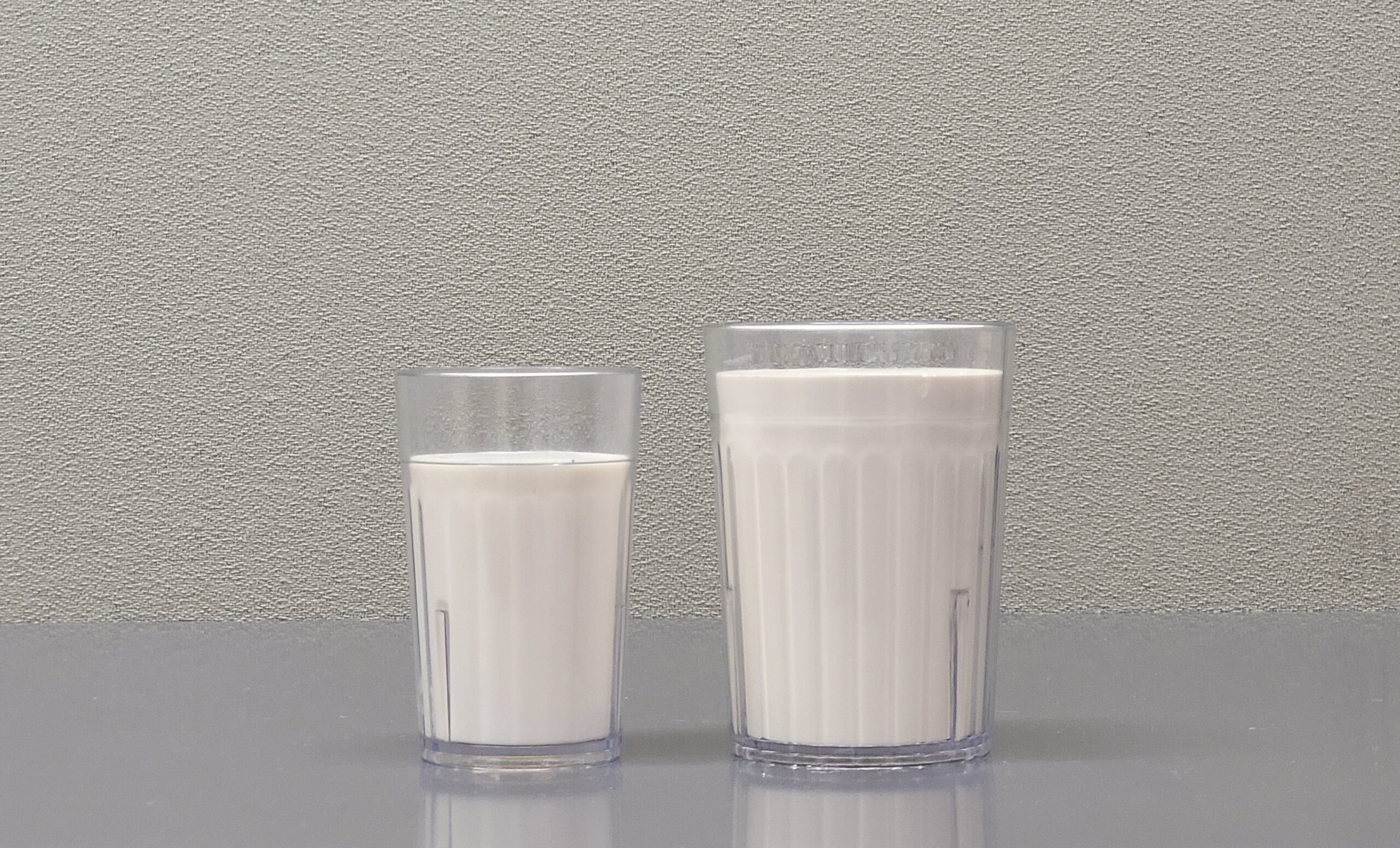
Start with foods you already like
Dairy foods are common calcium sources because they are easy to use and usually provide a meaningful amount per serve. Milk in coffee or cereal, yoghurt with fruit, and cheese in a sandwich can all contribute without much extra planning.
If you do not eat dairy, or you simply want more variety, look for fortified alternatives. Many soy, oat, almond, and rice drinks have calcium added, but not all of them do. The label matters here. A good practical habit is to check whether the drink says it is calcium fortified, then give the carton a shake before pouring because added minerals can settle.
Add plant-based calcium options
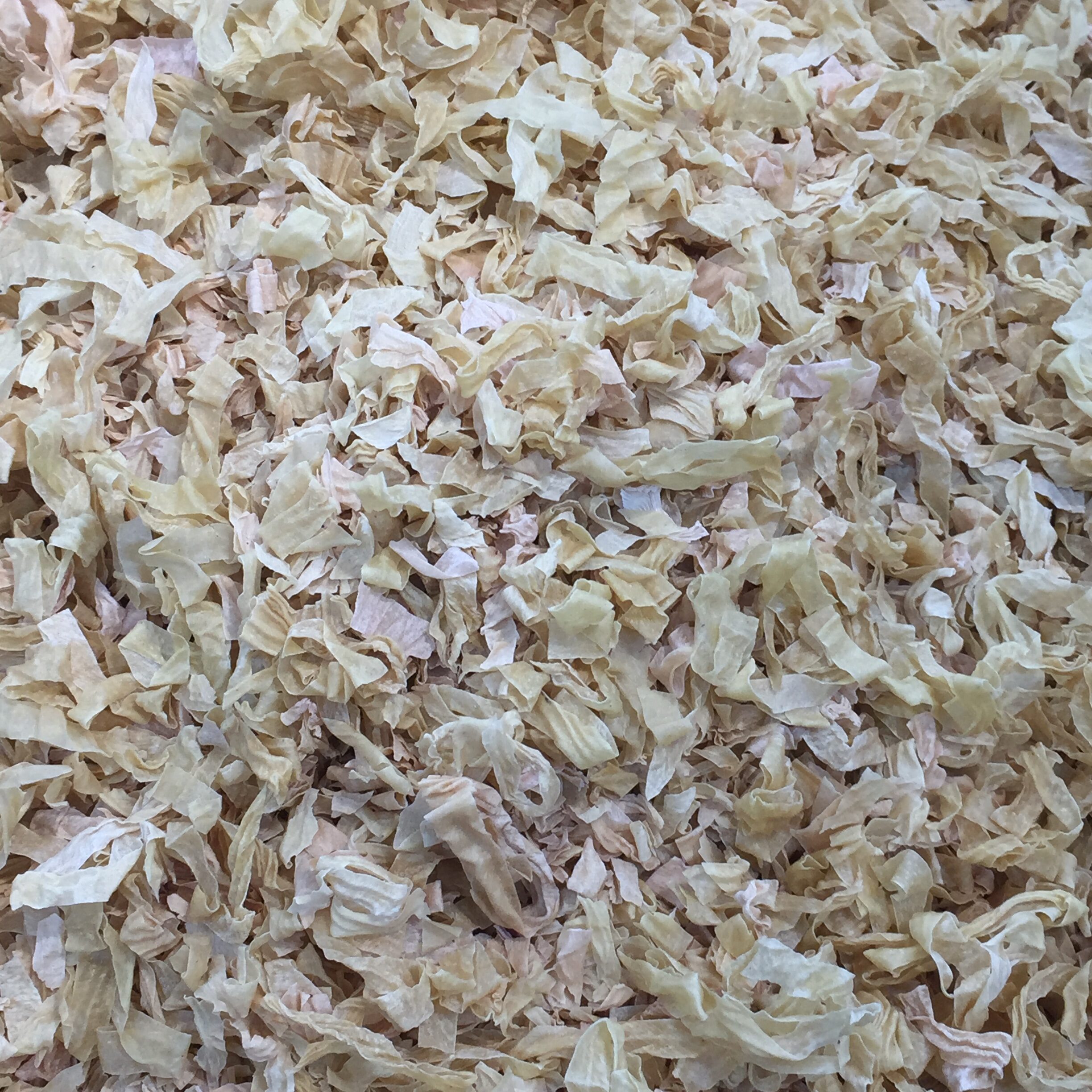
Tofu can be a handy choice, especially when it is made with calcium salts. The nutrition panel is the best guide because calcium levels vary a lot between brands. If you find a calcium-set tofu you like, it can go into stir-fries, rice bowls, salads, wraps, soups, or quick scrambles.
Some leafy greens also bring useful calcium to the table. Bok choy, kale, collard greens, and broccoli are easy places to start. Spinach is still nutritious, but its calcium is less available to the body because it is high in oxalates. That does not make spinach bad; it just means it should not be your only calcium plan.
Beans, lentils, almonds, tahini, and chia seeds can also help. These foods may not always be huge calcium sources per serve, but they add up when they appear regularly.
Do not forget fish with edible bones
Tinned sardines and salmon with edible bones are compact calcium options. They are not for everyone, but they can be very practical if you like them. Try sardines on toast with lemon, in a simple salad, or with rice and vegetables. Tinned salmon can work in patties, sandwiches, pasta, or a quick lunch bowl.
The key detail is the bones. Boneless versions are still useful foods, but they usually do not offer the same calcium boost.
Build a simple calcium day
A simple day might look like yoghurt with breakfast, a fortified soy drink in a smoothie, tofu or leafy greens at lunch, and a small serve of cheese or tinned fish later in the day. Another day might be cereal with fortified milk, a tofu bowl, and broccoli with dinner.
You do not need every calcium-rich food every day. A steady rhythm across the week is more realistic. Pick two or three foods you actually enjoy and place them where they already fit.
A quick word on supplements
Supplements can be useful when food is not enough, but they are not something to take casually in large amounts. More is not always better, and calcium supplements can interact with some medicines or be unsuitable for certain health conditions.
If you are concerned about low calcium intake, start by looking at your usual meals. If there is still a clear gap, ask a qualified health professional what amount makes sense for you.
Key takeaway
Calcium-rich eating does not need to be dramatic. Use familiar foods, check labels on fortified products, include plant-based options if they suit you, and think in repeatable habits rather than perfect numbers. A few steady choices can do a lot of the work.
Image credits / licence notes
- Two Glasses of Milk. Creator/agency: Alabama Extension; photo by Lula Tyson-Bailey. Licence: Creative Commons CC0 1.0 Universal Public Domain Dedication.
- Shredded tofu. Creator/agency: Fumikas Sagisavas. Licence: Creative Commons CC0 1.0 Universal Public Domain Dedication.



.jpg)
