Beans and lentils are some of the most useful foods to have in the kitchen. They are affordable, filling, easy to store, and flexible enough to work in plenty of everyday meals.
They also offer a helpful mix of plant protein, fibre, and minerals. You do not need to rebuild your whole diet around them. Adding a small amount to meals you already enjoy is a practical place to start.
Start with the easiest option
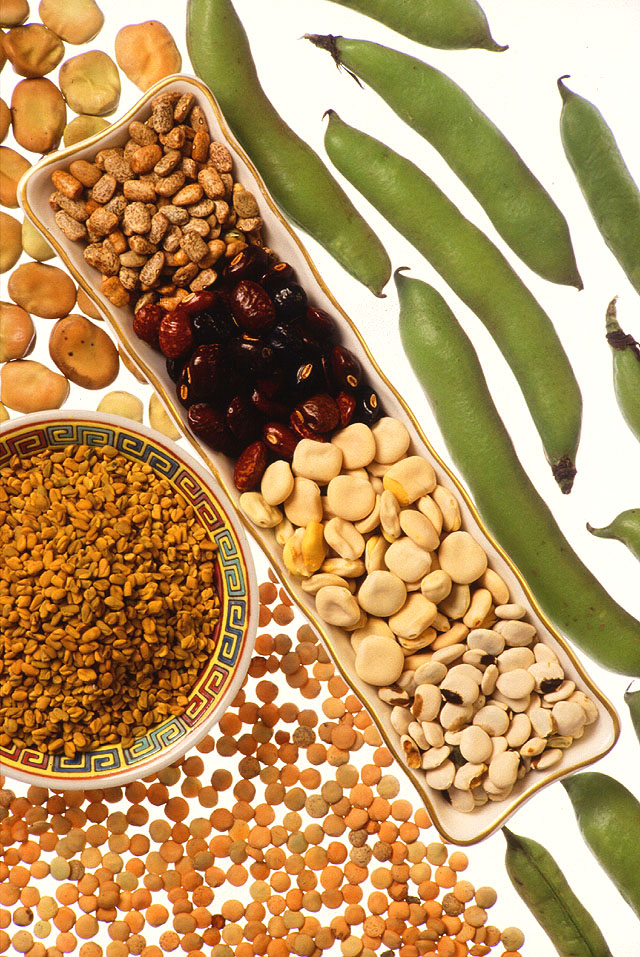
There is no prize for making beans from scratch on a busy weeknight. Tinned beans are convenient, budget-friendly, and ready to use after a quick rinse. Look for reduced-salt options when available, or simply rinse regular tinned beans well under running water.
Red lentils are another beginner-friendly choice. They cook quickly and soften into sauces, soups, and curries without much effort. If you like batch cooking, dried chickpeas, black beans, or kidney beans can also be cooked ahead and frozen in meal-sized portions.
Simple ways to add them to meals
The easiest changes are usually the ones that fit into food you already make. Try adding a handful of chickpeas to a salad, stirring lentils into soup, or mixing black beans into a rice bowl. You can also add beans to tacos, pasta sauce, wraps, and tray-bake meals.
For a familiar dinner, replace part of the mince in chilli, bolognese, or shepherd’s pie with lentils. This keeps the meal satisfying while adding fibre and stretching the recipe further. Start with a small amount if you are cooking for people who are unsure about the texture.
Make snacks more satisfying
Beans are not only for dinner. Hummus is an easy snack with vegetable sticks, wholegrain crackers, or toast. You can also try bean-based dips made with white beans or black beans. Blend them with lemon juice, olive oil, herbs, or spices until smooth.
The result is a snack that feels more substantial than crackers alone. It can also be a useful option when you need something quick between meals.
Increase fibre gradually
Beans and lentils are rich in fibre, so it is sensible to build up slowly if you do not eat them often. Begin with a few spoonfuls and increase the amount over time. Drinking enough water and spreading higher-fibre foods across the day may also help.
If a particular bean does not agree with you, try a smaller serving or a different type. Lentils, chickpeas, cannellini beans, and black beans can feel different from one another, so it is worth experimenting.
Keep a few shortcuts on hand
A simple pantry setup makes healthy choices easier. Keep two or three tins of beans, a packet of red lentils, and one dip such as hummus available. Frozen cooked beans are useful too.
When the fridge is looking bare, these basics can help turn vegetables, rice, toast, or leftovers into a more balanced meal without much extra work.
Try one small plan for the week
If you want to make beans and lentils a regular habit, choose one simple use for the week ahead. You might add chickpeas to two lunches, cook a lentil soup for the freezer, or serve hummus with an afternoon snack. Keeping the plan specific makes it easier to follow through.
It can also help to use a familiar flavour. Add cannellini beans to a tomato-based pasta sauce, season black beans for tacos, or stir lentils into a curry you already make. Beans absorb flavours well, so herbs, spices, dressings, and sauces can do most of the work.
There is no need to use a large serving every time. Even a modest spoonful can add variety and help you get used to including these foods more often.
Key takeaway
Beans and lentils do not need to be complicated. Start with convenient options, add them to meals you already like, and increase the amount gradually. A few tins in the cupboard can make everyday meals easier, more filling, and more nutritious.
Image credits / licence notes
- Various legumes. Creator/agency: Keith Weller, Agricultural Research Service, USDA. Licence: Public domain.
- Black bean hummus and vegetables. Creator/agency: Sarah Stierch / Missvain. Licence: Creative Commons Attribution 4.0 International (CC BY 4.0): licence link.