A simple way to add more variety
Whole grains can sound like another healthy-eating rule to remember, but they do not need to make meals complicated. A few familiar swaps can add more fibre and variety while keeping breakfast, lunch, and dinner easy.
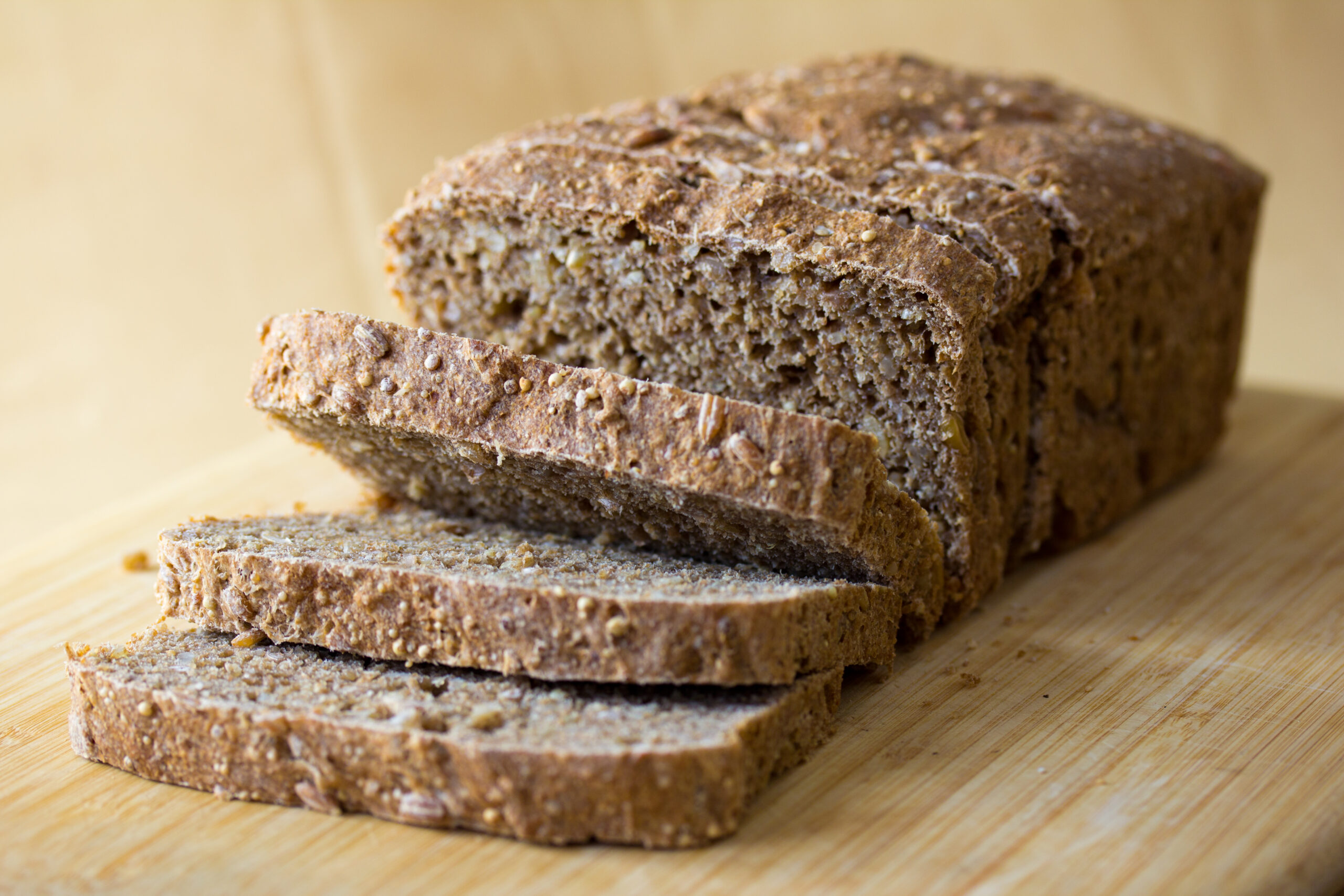
The useful word is whole. Whole grains keep more parts of the original grain than refined grains. That means foods such as oats, brown rice, wholegrain bread, barley, and whole wheat pasta can be practical choices when they suit the meal. You do not need to change everything at once or avoid refined grains completely.
Start with the meal you already eat
The easiest place to begin is usually a meal that is already part of your routine. If breakfast is quick, try rolled oats or wholegrain toast. If sandwiches are a regular lunch, test a wholegrain loaf you genuinely enjoy. If rice is a dinner staple, use brown rice for one meal this week or mix it with white rice while you get used to the texture.
Small changes are easier to repeat. One reliable swap is more useful than buying several new products that sit in the cupboard.
Keep breakfast low effort
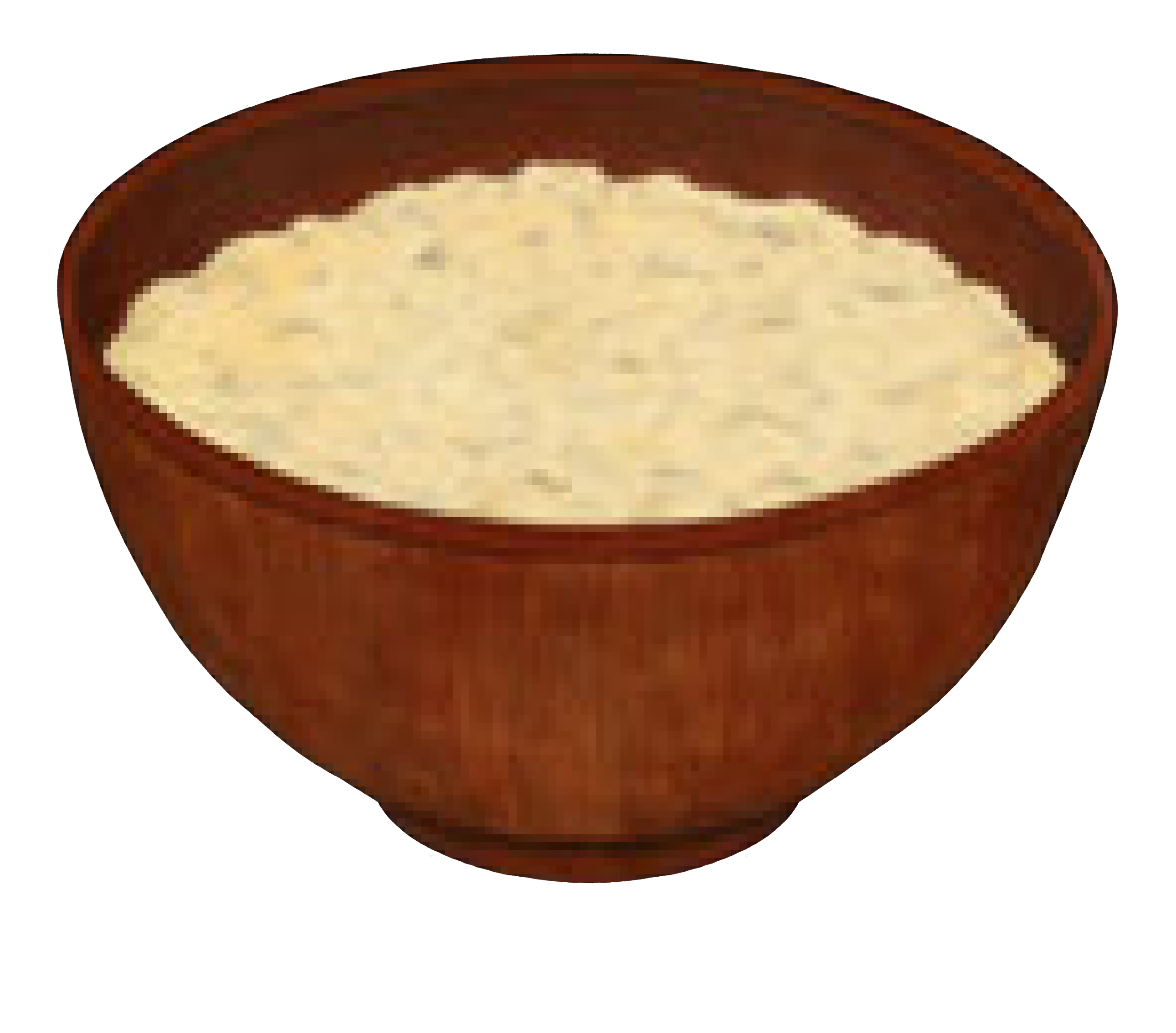
Oats are one of the simplest whole-grain staples to keep at home. They work as porridge, overnight oats, or a quick addition to yoghurt. Add fruit, nuts, seeds, or cinnamon depending on what you have.
If oats are not your thing, wholegrain toast can be just as practical. Pair it with eggs, avocado, peanut butter, or baked beans for a breakfast that fits a normal morning.
Use flexible lunch swaps
Lunch does not need a major rethink. Try wholegrain bread, wraps, or crackers when they work with the meal. Leftover brown rice, barley, or quinoa can also become a simple lunch bowl with vegetables and a protein such as chicken, eggs, tofu, beans, or tuna.
Texture matters. If a very dense bread is not enjoyable, choose a softer wholegrain option and check the ingredient list. A food you like enough to keep buying is usually the more practical choice.
Make dinner changes gradually
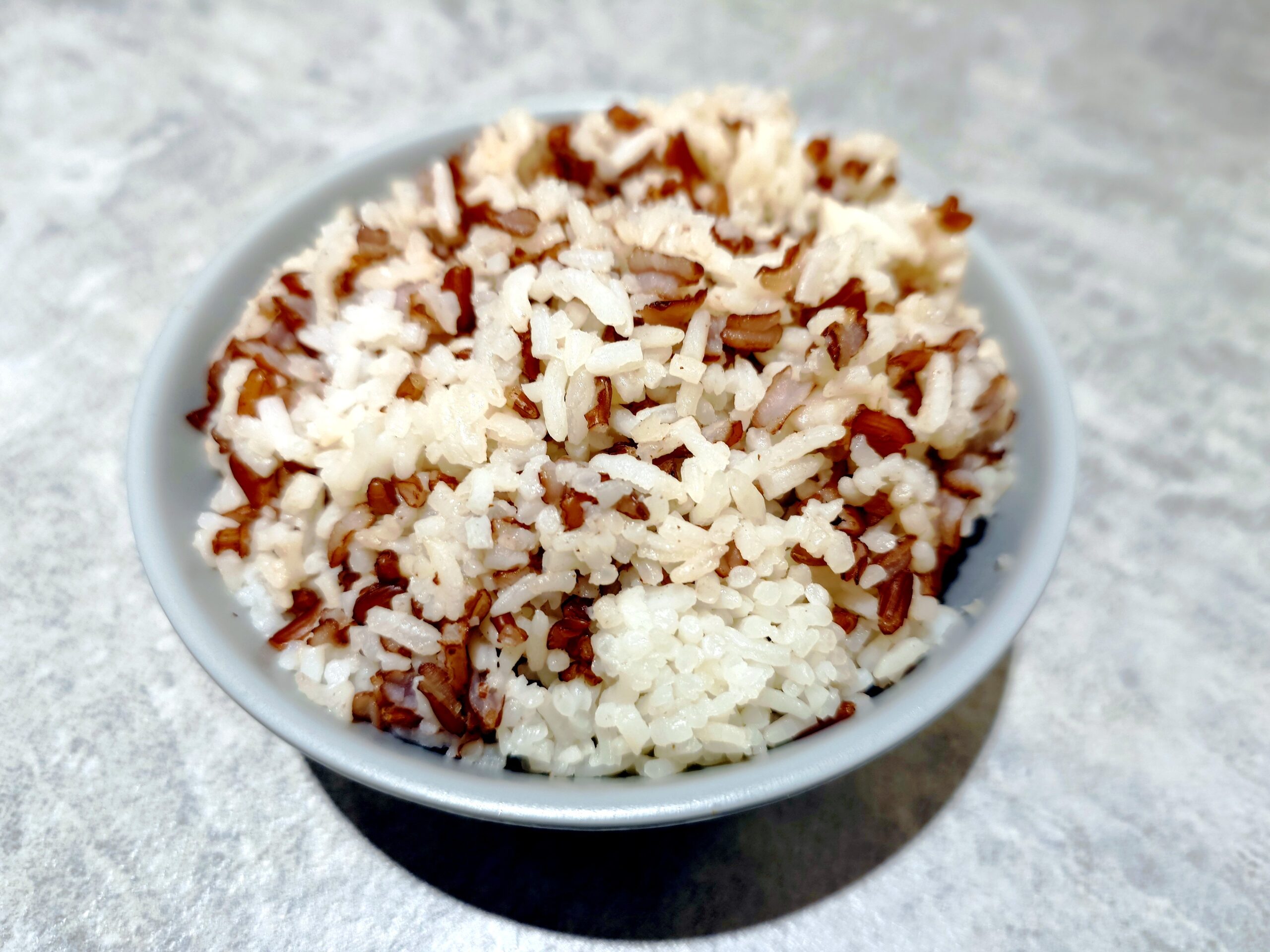
Brown rice and whole wheat pasta can be easy dinner options, but you do not have to switch overnight. Mixing brown and white rice is a useful bridge. You can also alternate between them depending on the meal.
Barley works well in soups and stews. Whole wheat pasta can be paired with the same sauces you already use. If cooking time is the barrier, keep microwave brown rice, quick-cooking grains, or batch-cooked portions in the freezer for busy nights.
Read labels without overthinking them
Packaging can be confusing. Words such as multigrain, seeded, or brown do not always mean a product is mostly whole grain. Look at the ingredient list and check whether a whole-grain ingredient, such as whole wheat or wholemeal flour, appears near the top.
There is no need to chase a perfect product. Compare a few realistic options in your usual shop, choose one that fits your budget and taste, then keep the decision simple.
Keep it budget-friendly
Whole grains do not have to come from expensive specialty products. Rolled oats, brown rice, wholemeal bread, and barley are often straightforward supermarket choices. Store brands can be worth comparing, especially for basic grains where the ingredient list is simple.
Buying the option you will actually use also helps avoid waste. If a large bag of brown rice feels ambitious, start with a smaller pack or a convenient ready-cooked portion. Once you know it works for your meals, it is easier to buy a larger pack with confidence.
Try a one-week plan
Pick two whole-grain foods for the week: one breakfast option and one lunch or dinner option. For example, keep oats for breakfast and use brown rice for one dinner. Next week, repeat what worked or try wholegrain bread for sandwiches.
This approach keeps the change manageable and gives you time to find the foods you actually enjoy.
Key takeaway
Whole grains are easiest to eat more often when they fit meals you already make. Start with one or two simple swaps, keep convenient options nearby, and let taste and routine guide what stays on the shopping list.
Image credits
- Oats bowl: U.S. Department of Health and Human Services, public domain. Source.
- Brown rice: Ceeseven, CC BY-SA 4.0. Source.
- Wholegrain bread: Mattie Hagedorn, CC BY-SA 2.0. Source.