
Healthy fats have had a rough reputation, but the body does need some fat. Fat helps you absorb certain vitamins, supports cell structure, and makes food more satisfying. The practical goal is not to eat less fat at all costs. It is to choose more of the fats that fit well into ordinary meals: nuts, seeds, olive oil, avocado, tahini, and oily fish if you eat it.
That sounds like a lot, but it does not need to be a project. A few small swaps are enough. A spoonful of tahini, a drizzle of olive oil, or a handful of nuts can make a simple meal feel more complete without turning lunch into a nutrition lecture.
Why Healthy Fats Matter
Not all fats play the same role in the diet. Some foods are mostly a package of salt, sugar, and refined oils, while others bring useful fat along with fibre, protein, or natural flavour. The second group is usually the one worth leaning on more often.
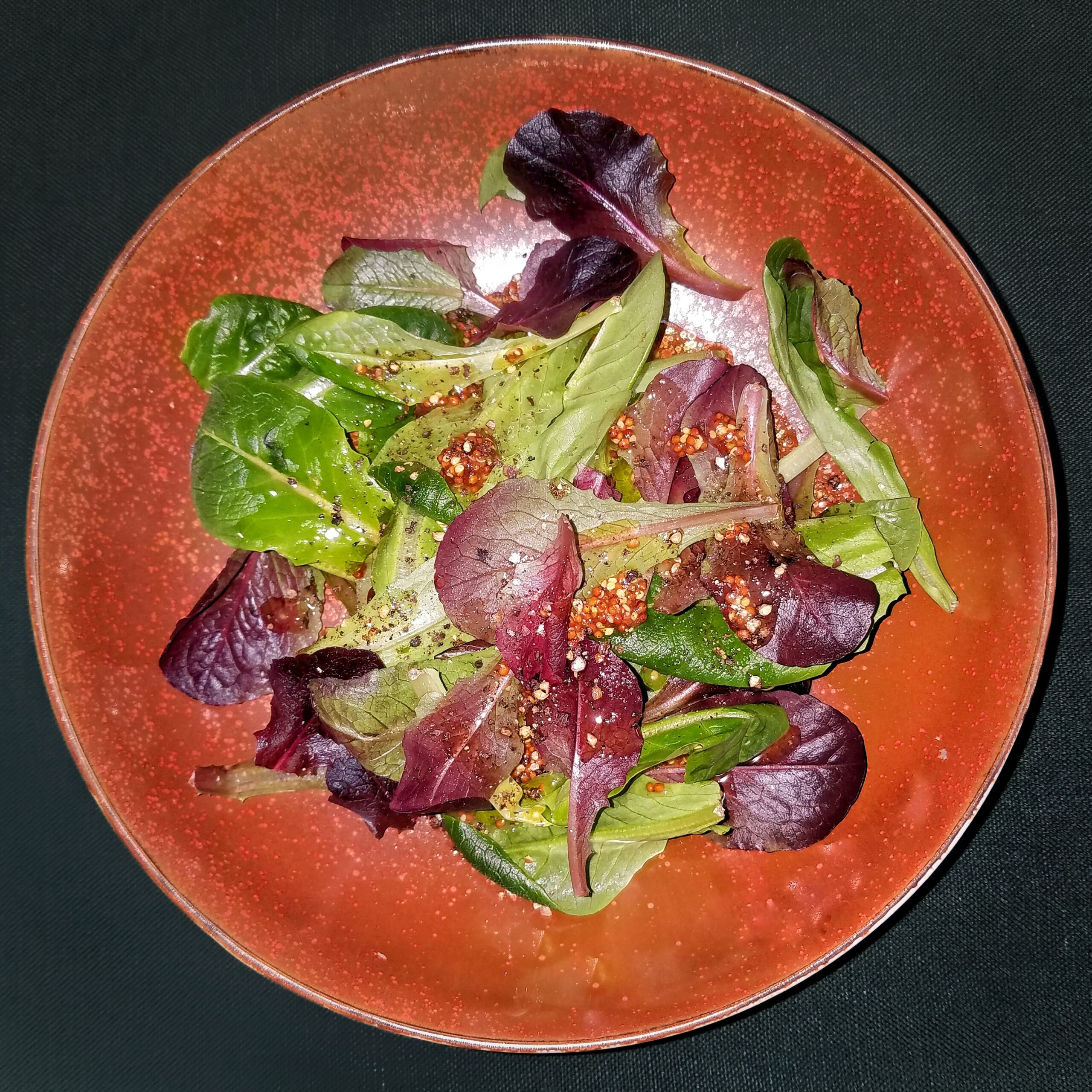
Healthy fats are especially useful when a meal feels too light or too plain. A salad with just leaves can be disappointing. Add olive oil, nuts, avocado, or a tahini dressing and the same bowl suddenly feels more satisfying. That does not make the meal unhealthy; it just makes it easier to enjoy and stick with.
Easy Healthy Fats to Keep Around
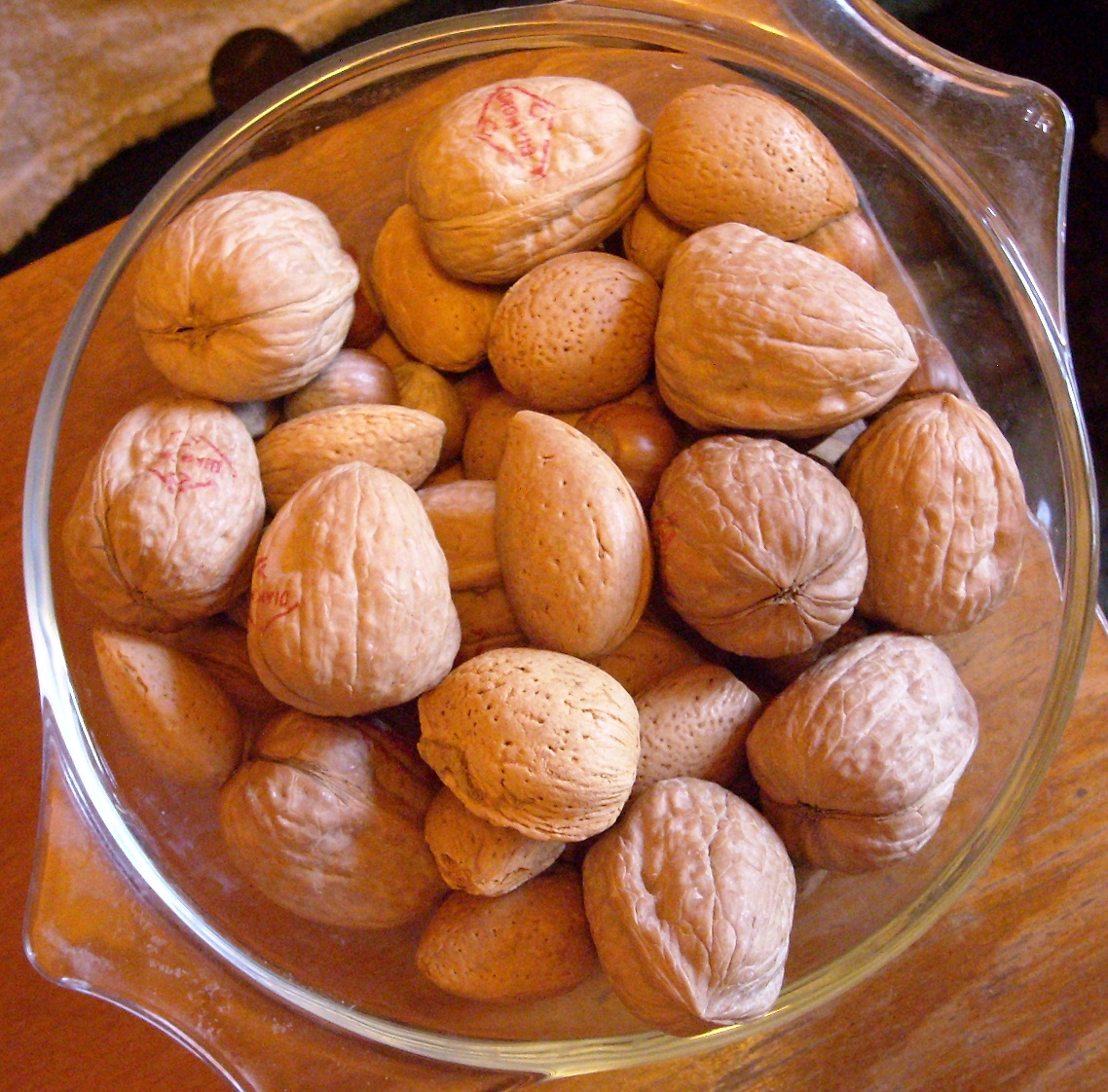
Nuts and seeds are one of the simplest places to start. Almonds, walnuts, pumpkin seeds, chia seeds, and sunflower seeds can all be used in small amounts. They work in yoghurt, oats, salads, fruit, or just as a quick snack. If you want a food that is easy to keep on hand, this is hard to beat.
Olive oil is another everyday option. It is easy to drizzle over vegetables, use in a dressing, or finish a bowl of beans or grains. Avocado is similar in the sense that it needs very little effort. Put it on toast, fold it into a wrap, or add it to a lunch bowl and the meal feels fuller right away.
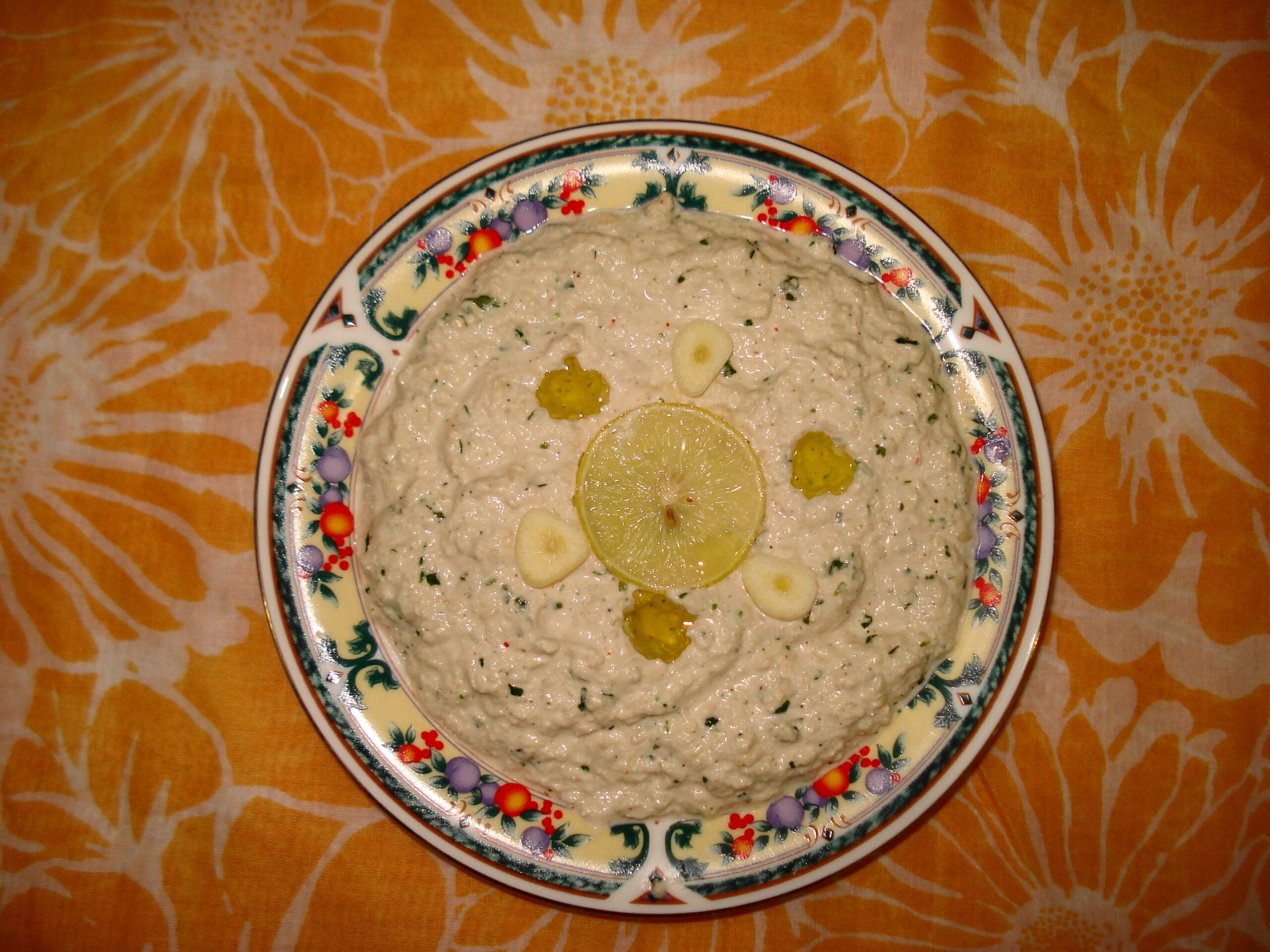
Tahini and nut butter are useful when you want something creamy. They can become a quick sauce with lemon and water, or they can sit on toast with fruit. If you eat fish, salmon, sardines, and mackerel are common omega-3-rich options to keep in mind too.
Simple Ways to Use Them
Breakfast is often the easiest place to add healthy fats without much thinking. Try oats with yoghurt and chopped nuts, toast with avocado and tomato, or fruit with a spoon of nut butter. None of these ideas need special ingredients or a separate recipe.
Lunch can benefit from the same approach. A grain bowl, salad, or sandwich usually tastes better with one small fat-based addition. Olive oil dressing, tahini sauce, a few olives, sliced avocado, or a sprinkle of seeds can be enough to make leftovers feel fresh again.
Dinner does not need much either. Finish roasted vegetables with olive oil and lemon, add tahini to a plate of beans, or serve fish with potatoes and greens. The point is not to pile everything on. It is to make the meal complete in a calm, practical way.
Keep Portions Sensible
Healthy fats are still energy dense, which means a little often goes a long way. That is not a reason to avoid them. It is just a reminder to use them as part of the meal rather than as an afterthought that keeps growing. A small handful of nuts or a spoonful of tahini is usually enough to change the whole feel of a dish.
If you like structure, use a simple cue: add one fat source to a meal that already contains fibre and protein. That might be nuts with yoghurt, olive oil on vegetables, or avocado with eggs and toast. When the rest of the plate is balanced, healthy fats work even better.
A Simple Day
A practical day might look like this: yoghurt with oats and walnuts for breakfast, a chickpea or chicken bowl with olive oil dressing for lunch, fruit with nut butter for a snack, and salmon or tofu with vegetables and tahini at dinner. It is normal food, just arranged with a bit more intention.
You do not need every healthy fat every day. What matters more is the pattern across the week. If a few meals are built around nuts, seeds, olive oil, avocado, tahini, or oily fish, that is already a useful habit.
Key Takeaway
Healthy fats are most helpful when they are ordinary and repeatable. Keep a few staples around, use them in small amounts, and add them to meals you already like. That is usually enough to make food more satisfying without making healthy eating feel complicated.
Image credits / licence notes
- Mixed nuts in a glass bowl. Creator/agency: Simon Speed. Licence: CC0 1.0 Universal Public Domain Dedication.
- Tahini sauce. Creator/agency: Miansari66. Licence: CC0 1.0 Universal Public Domain Dedication.
- Salad of mixed greens with dressing. Creator/agency: Daderot. Licence: CC0 1.0 Universal Public Domain Dedication.