
Fibre is one of those nutrition goals that sounds more difficult than it really is. In practice, it usually comes from the same foods that already make meals more useful: oats, beans, lentils, fruit, vegetables, nuts, seeds, and whole grains. You do not need a strict plan or a special product. You just need a few repeatable habits that make the higher-fibre option easier to choose.
That matters because fibre helps with fullness, supports bowel regularity, and often comes packaged with other helpful nutrients. The easiest approach is not to chase fibre for its own sake. It is to make ordinary meals a little more balanced so they hold you over better and feel more satisfying.
Start With Breakfast
Breakfast is usually the easiest place to add fibre without changing your whole routine. Oats are a classic option because they are cheap, flexible, and easy to keep on hand. You can cook them hot, soak them overnight, or use them in yoghurt bowls and smoothies.
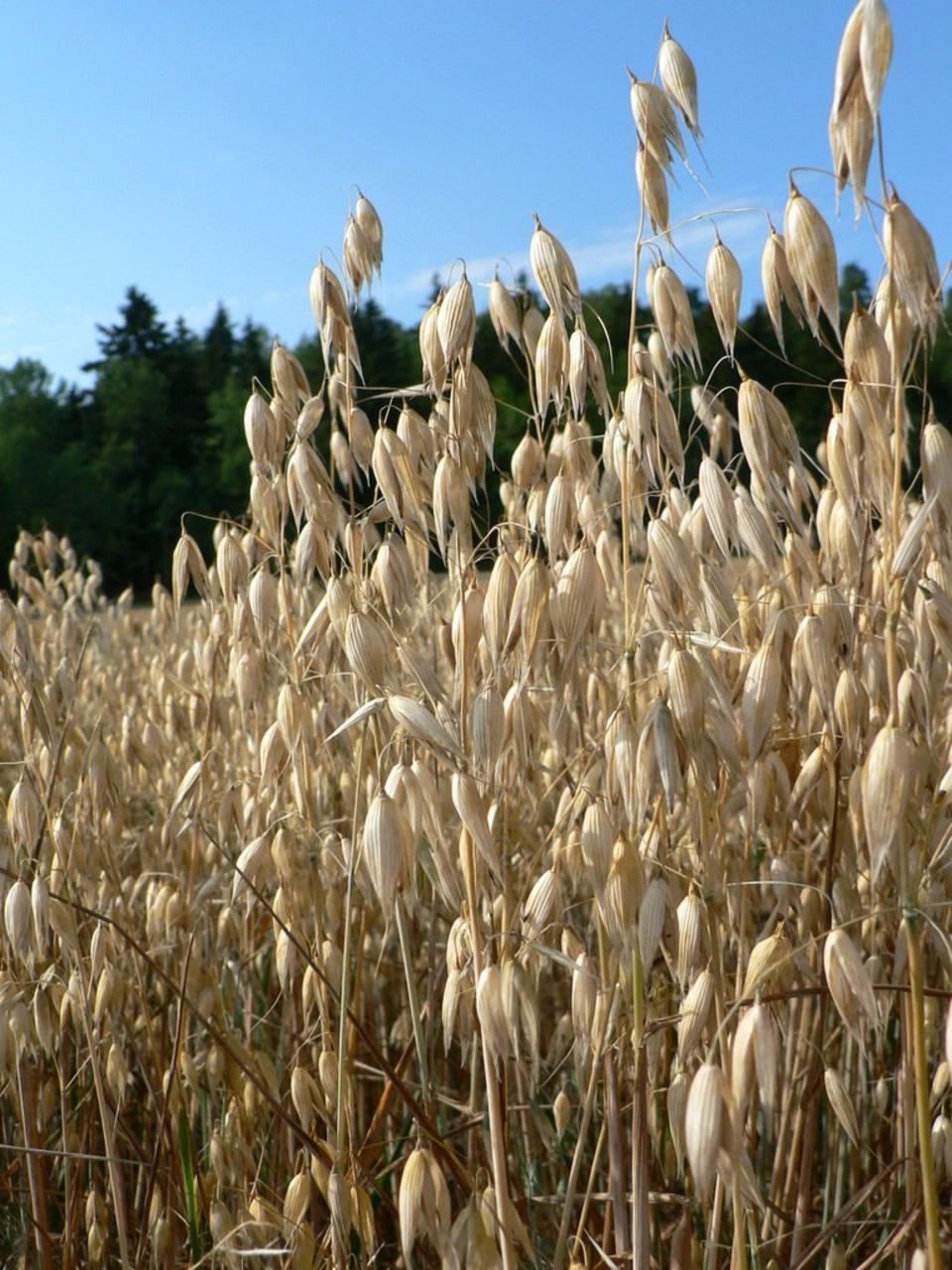
If oats are not your thing, wholegrain toast, high-fibre cereal, fruit, or a breakfast wrap can still help. The simplest question is whether breakfast includes one obvious fibre source. If it does, you are already on the right track.
Use Beans and Lentils More Often
Beans and lentils are some of the most practical fibre foods around. They add texture, fibre, plant protein, and slow-digesting carbohydrates at the same time. That makes them especially useful in soups, stews, salads, wraps, and rice bowls.
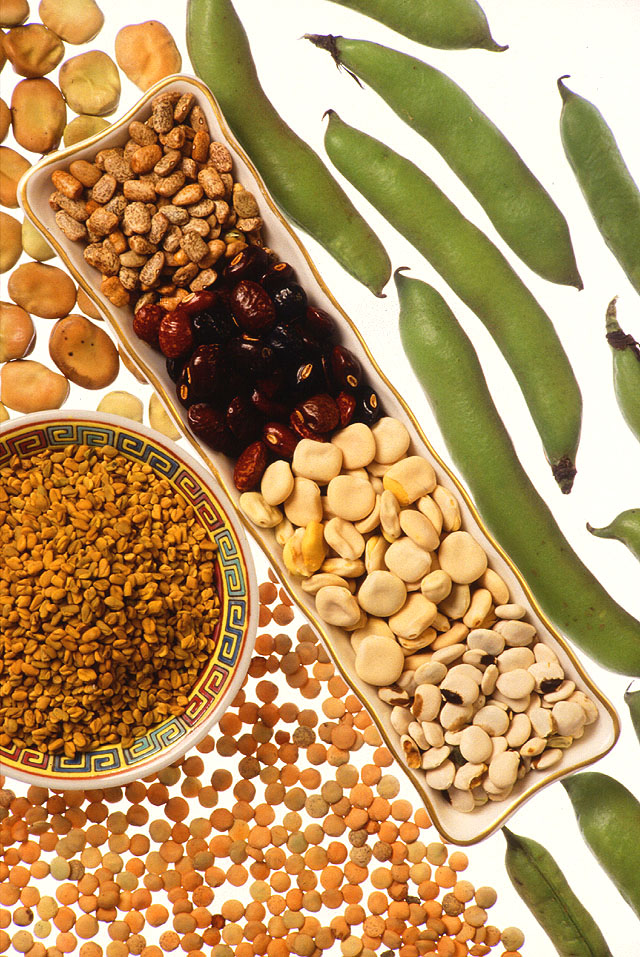
Canned beans are completely fine when life is busy. Rinse them if you want to reduce some of the salt, then add them to whatever you are already making. Lentils are just as useful and often disappear nicely into a sauce or soup.
Keep Snack Options Simple
A fibre-rich snack does not need to be fancy. Fruit with nuts, wholegrain crackers with hummus, apple slices with peanut butter, or yoghurt with oats can all do the job. The aim is to avoid snacks that vanish quickly and leave you hunting again an hour later.
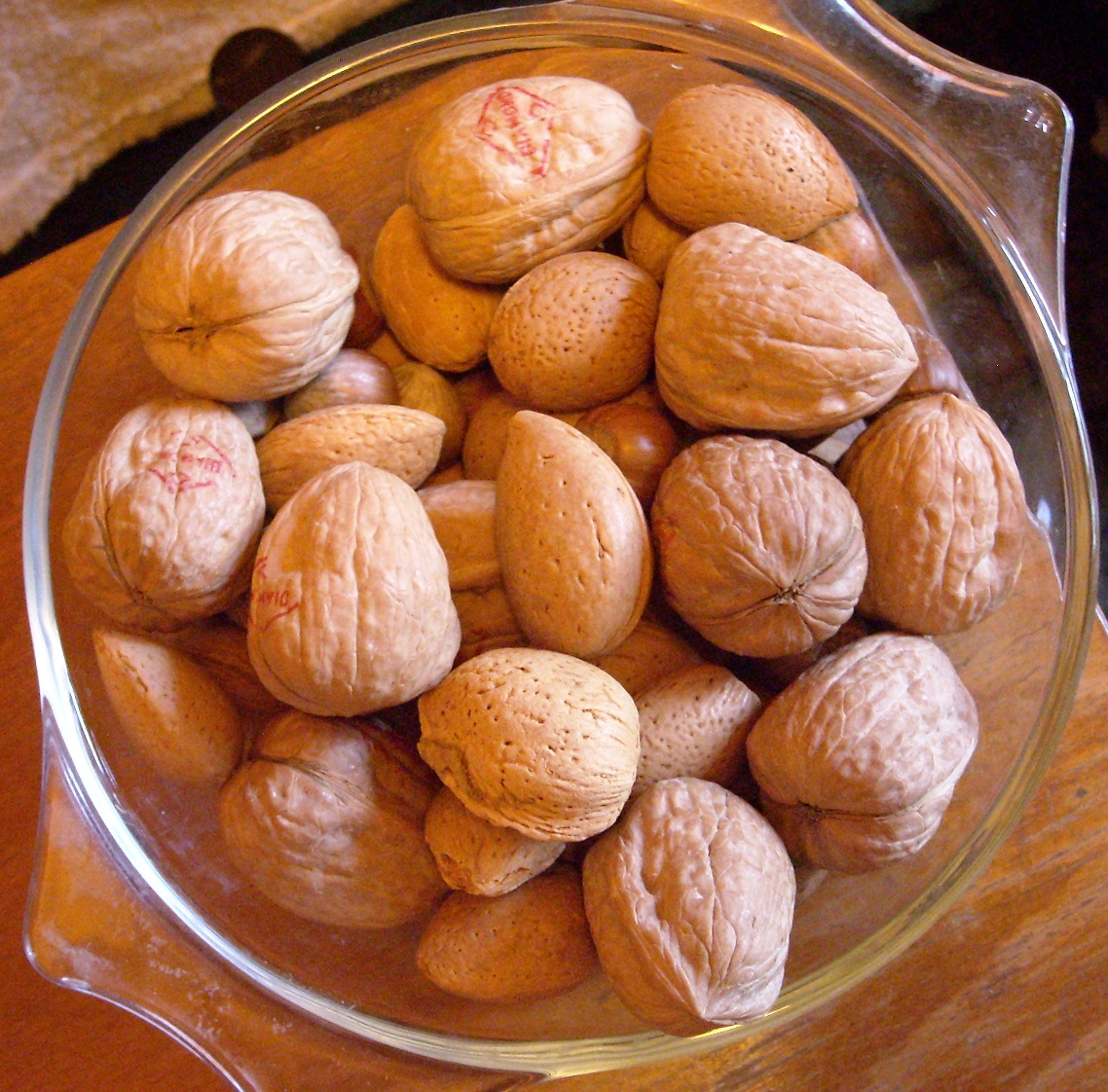
If you are trying to make snacks more filling, pair fibre with protein or healthy fat. That small combination usually works better than a pile of low-fibre snack foods that look bigger than they really are.
Make Lunch and Dinner Easier
Lunch can be as simple as a wholegrain sandwich, a bean salad, leftover soup, or a grain bowl with vegetables and a protein. Dinner can follow the same pattern. Add a serving of vegetables, use brown rice or whole wheat pasta when you like them, and let beans or lentils fill in the gaps.
You do not need to make every meal a fibre project. One extra piece of fruit, one extra handful of vegetables, or one extra spoonful of legumes can already improve the balance of the day.
Increase Fibre Gradually
If your usual diet is lower in fibre, move gradually. A sudden jump can sometimes cause bloating or discomfort. Give your body time to adjust, drink enough water, and spread fibre across the day instead of loading it all into one meal.
A slow approach is easier to keep anyway. Add oats this week, beans next week, and a better snack after that. Small changes become habits much faster than a perfect plan that never sticks.
Key Takeaway
Fibre-rich eating works best when it feels normal. Keep a few reliable foods around, build meals from things you already like, and add fibre in small, repeatable ways. That is usually enough to make a real difference without making food feel complicated.
Image credits / licence notes
- Oats closeup. Creator/agency: Rosendahl. Licence: Public domain.
- Various legumes. Creator/agency: Keith Weller, Agricultural Research Service, USDA. Licence: Public domain.
- Mixed nuts in a glass bowl. Creator/agency: Simon Speed. Licence: CC0 1.0 Universal Public Domain Dedication.