
By the end of the day, dinner should not feel like a second job. A balanced dinner plate gives you a simple pattern to follow so you can put a real meal on the table without overthinking it.
The basic idea is straightforward: aim for a protein, a filling carbohydrate, and one or two vegetables. Add flavour in a way that fits your kitchen and your time. You do not need every dinner to look polished. You just need a pattern that feels calm, repeatable, and satisfying enough that you actually want to keep using it.
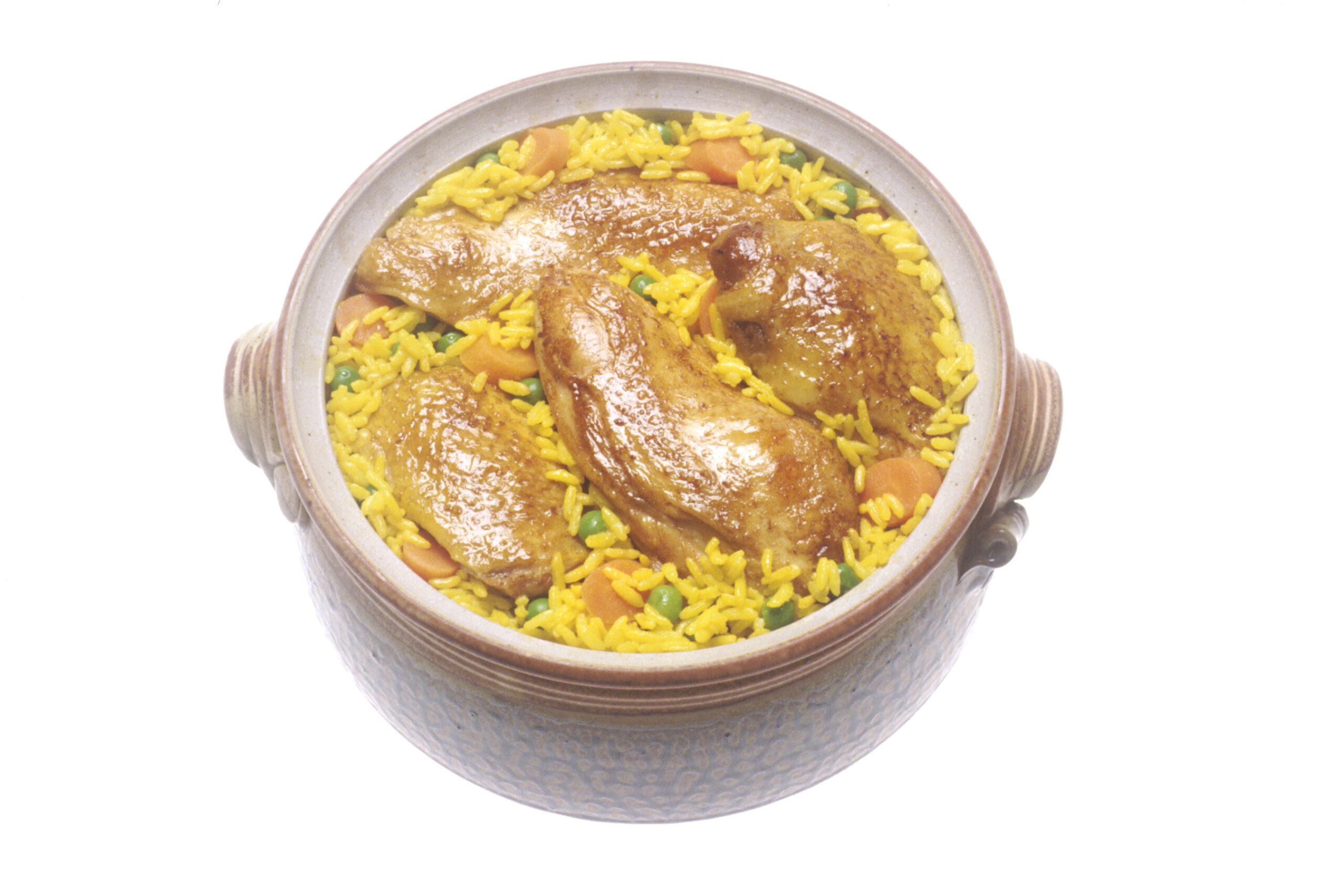
Start with one reliable protein
Protein helps a dinner feel complete. It is often the part of the meal that keeps you satisfied until the next morning. Chicken, fish, eggs, tofu, tempeh, beans, lentils, yoghurt-based sauces, lean meat, and leftovers from the previous day can all fill that role. The best option is usually the one you already know how to cook.
This does not need to be a big portion or a carefully measured amount. A palm-sized serve is often enough for a normal meal, but needs vary with body size, activity level, and health goals. The main question is simple: does the plate have a clear protein source, or is it mostly starch and garnish?
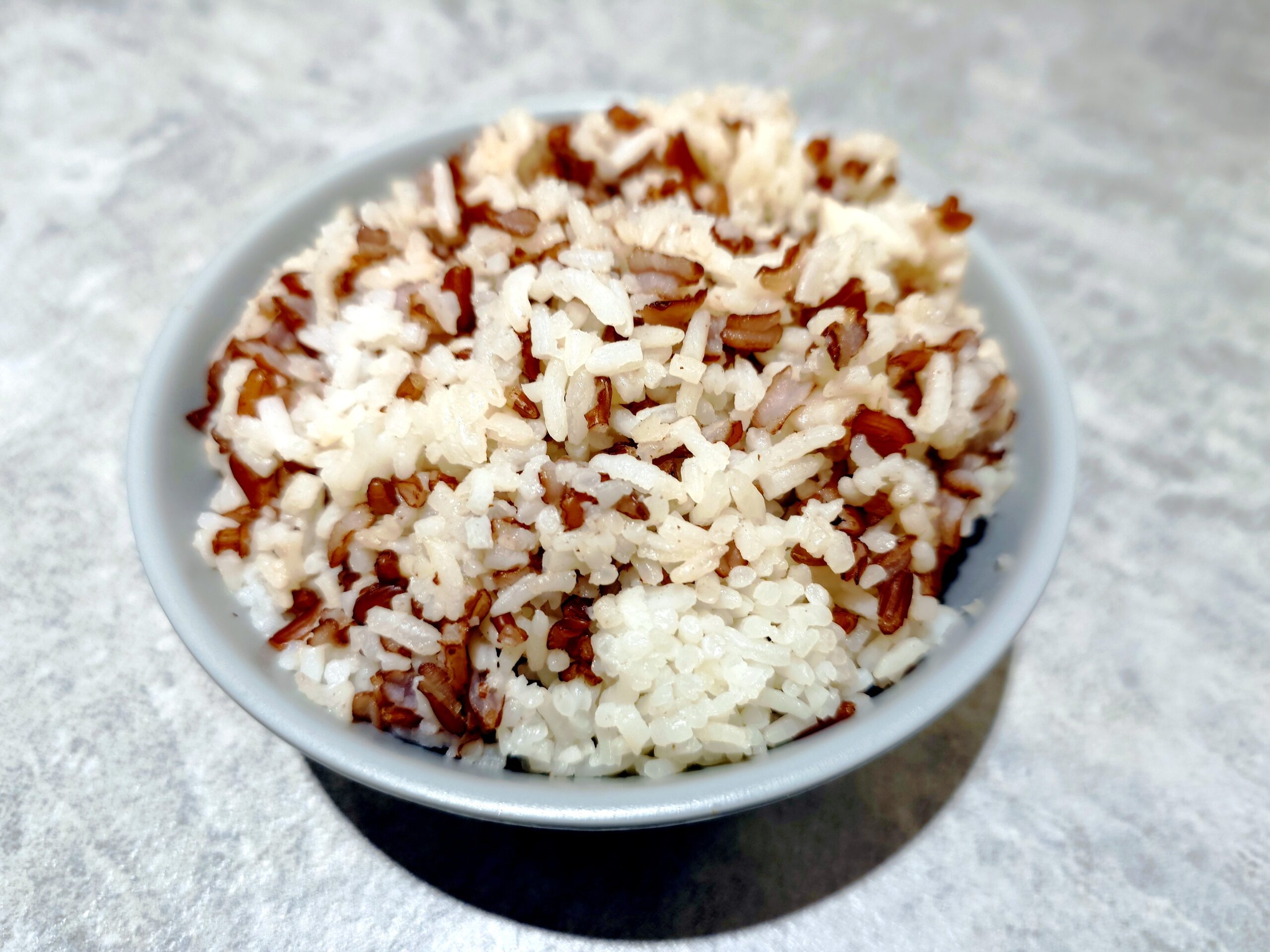
Choose a filling carb that fits the evening
A balanced dinner usually needs something that feels grounding, not just a pile of vegetables and a lonely protein. That is where a filling carbohydrate comes in. Rice, potatoes, whole wheat pasta, bread, couscous, noodles, pumpkin, or corn can all make sense depending on the meal.
If you like whole grains, brown rice, wholegrain pasta, or wholemeal bread are easy ways to add a bit more fibre. If you do not love them, you do not need to force it. A dinner plate is more likely to work when you choose the carb that fits your actual routine instead of the one that sounds best in theory.
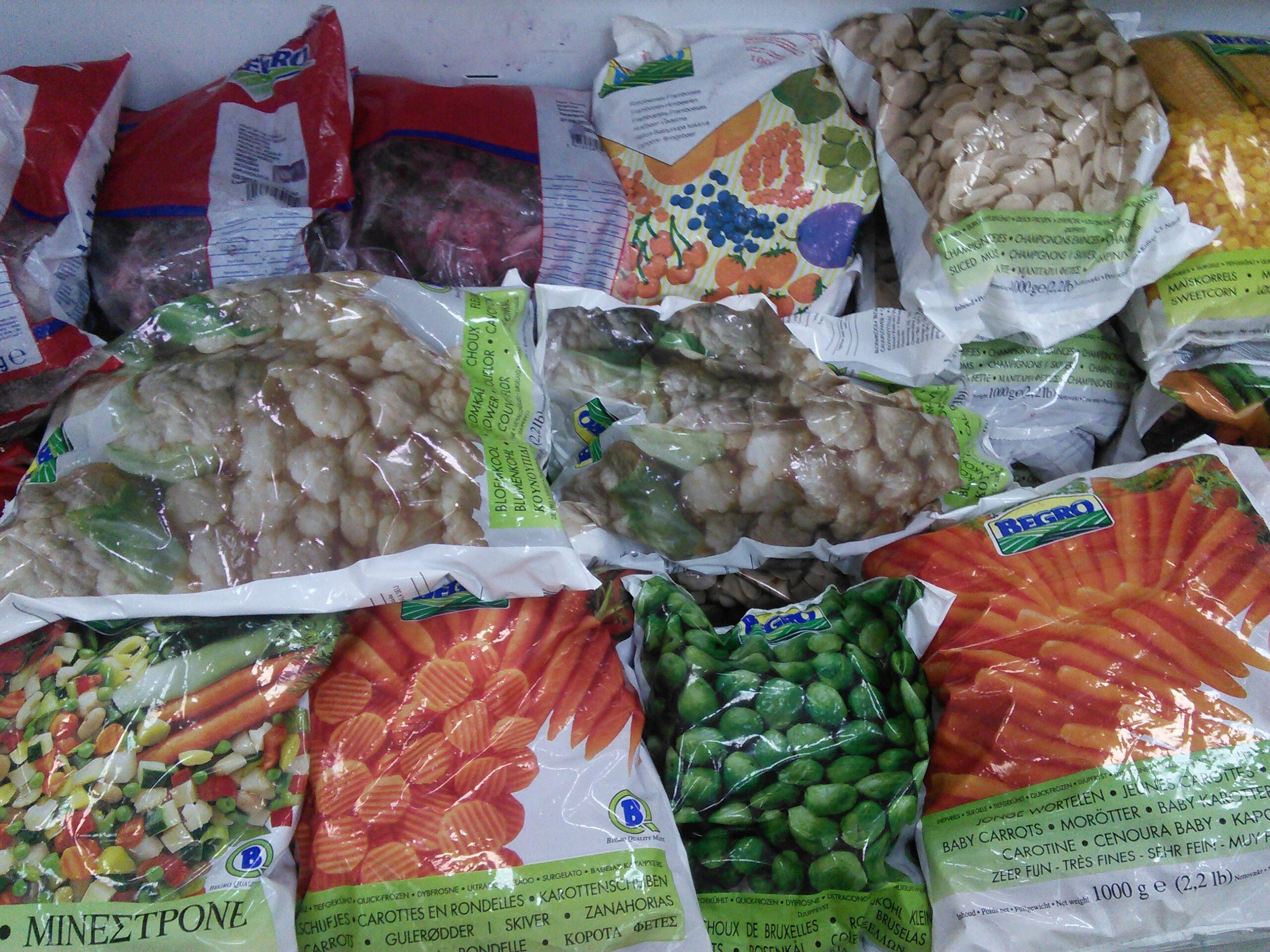
Make the vegetable part easy
Vegetables do not need to be elaborate. Frozen broccoli, mixed vegetables, peas, carrots, salad leaves, tomatoes, capsicum, green beans, and leftover roast vegetables are all fair game. If fresh vegetables often go unused, frozen and canned options can help dinner stay realistic.
The goal is not to make every night a big salad night. It is to keep one easy vegetable option available so the plate does not feel too heavy or too beige. Even a small serving helps add colour, texture, and variety to the meal.
Use flavour without making it complicated
A dinner plate can be balanced and still taste plain. That is where a simple flavour boost matters. Lemon, olive oil, soy sauce, vinegar, garlic, herbs, spices, salsa, pesto, chutney, or a quick yoghurt sauce can change the whole meal without much extra effort.
If you are already tired, keep a few shortcuts around. Jarred sauces are fine if you like them. A small amount of seasoning can do a lot. The point is not to hide the food under heavy sauce. It is to make the meal pleasant enough that you are not annoyed by it halfway through.
Build a few repeatable dinner templates
The easiest dinners are the ones you can repeat with different ingredients. Here are a few simple templates that work well on busy nights:
- Rice, chicken or tofu, and frozen vegetables with soy sauce or lemon
- Baked potato, tuna or beans, and a side salad
- Whole wheat pasta with lentils, tomato sauce, and spinach
- Eggs on toast with tomatoes and leftover vegetables
- Grain bowl with brown rice, roast vegetables, and feta or chickpeas
Templates remove decision fatigue. You do not need to reinvent dinner every day. You just need a small set of meals that feel familiar and easy to pull together.
Keep portions practical
A balanced plate does not mean equal amounts of everything. The right mix depends on appetite, activity, age, and health needs. Some nights you will want more vegetables. Other nights you will want a bigger carbohydrate serving. That is normal.
Think of the plate as a guide rather than a rule. If dinner usually leaves you hungry again an hour later, it may need more protein or a more filling carb. If it feels too heavy, shift a little more space toward vegetables. Small adjustments are usually enough.
Key takeaway
A balanced dinner plate works best when it feels ordinary. Start with a protein you trust, add a carb that suits the evening, include an easy vegetable, and use simple flavour to make the meal enjoyable. Repeat that pattern often enough and dinner stops feeling like a daily problem to solve.
Image credits / licence notes
- Homemade chicken and rice. Creator/agency: Catholicjen. Licence: CC0 1.0 Universal Public Domain Dedication.
- Bowl of Cooked Brown Rice. Creator/agency: Ceeseven. Licence: CC BY-SA 4.0.
- Frozen Vegetables. Creator/agency: Flixtey. Licence: CC BY-SA 4.0.