
Key takeaway
Vitamin C is easy to get from normal foods when you build a few colourful choices into your day. Citrus, capsicum, berries, kiwi, broccoli, tomatoes, and leafy greens can all help. You do not need a complicated plan, just a few repeatable habits.
Why vitamin C matters
Vitamin C is one of those nutrients people often connect with colds and immunity, but its job is broader than that. It helps the body make collagen, which supports skin, blood vessels, bones, and connective tissue. It also helps the body absorb iron from plant foods, which is useful if you eat beans, lentils, spinach, tofu, or other iron-containing plant foods.
Because vitamin C is water-soluble, the body does not store large amounts for later. That does not mean you need to chase huge doses. It simply means it is worth eating vitamin C-rich foods regularly across the week.
The good news: this is one of the easier nutrition wins. Many common fruits and vegetables contain vitamin C, and they do not require special recipes or expensive powders.
Start with foods you already like
The easiest health habit is the one you can repeat without thinking too much. If you already enjoy oranges, mandarins, grapefruit, kiwi, strawberries, capsicum, tomatoes, broccoli, potatoes, or leafy greens, you have a starting point.
Try choosing one vitamin C-rich food at breakfast or lunch most days. That could be orange slices with eggs, kiwi with yoghurt, strawberries with oats, capsicum in a wrap, or tomato with avocado toast. Small choices count when they happen often.
You can also use vitamin C foods to make simple meals taste fresher. A squeeze of lemon over fish, beans, roasted vegetables, or salad can brighten the meal and add a little extra vitamin C at the same time.
Think beyond oranges
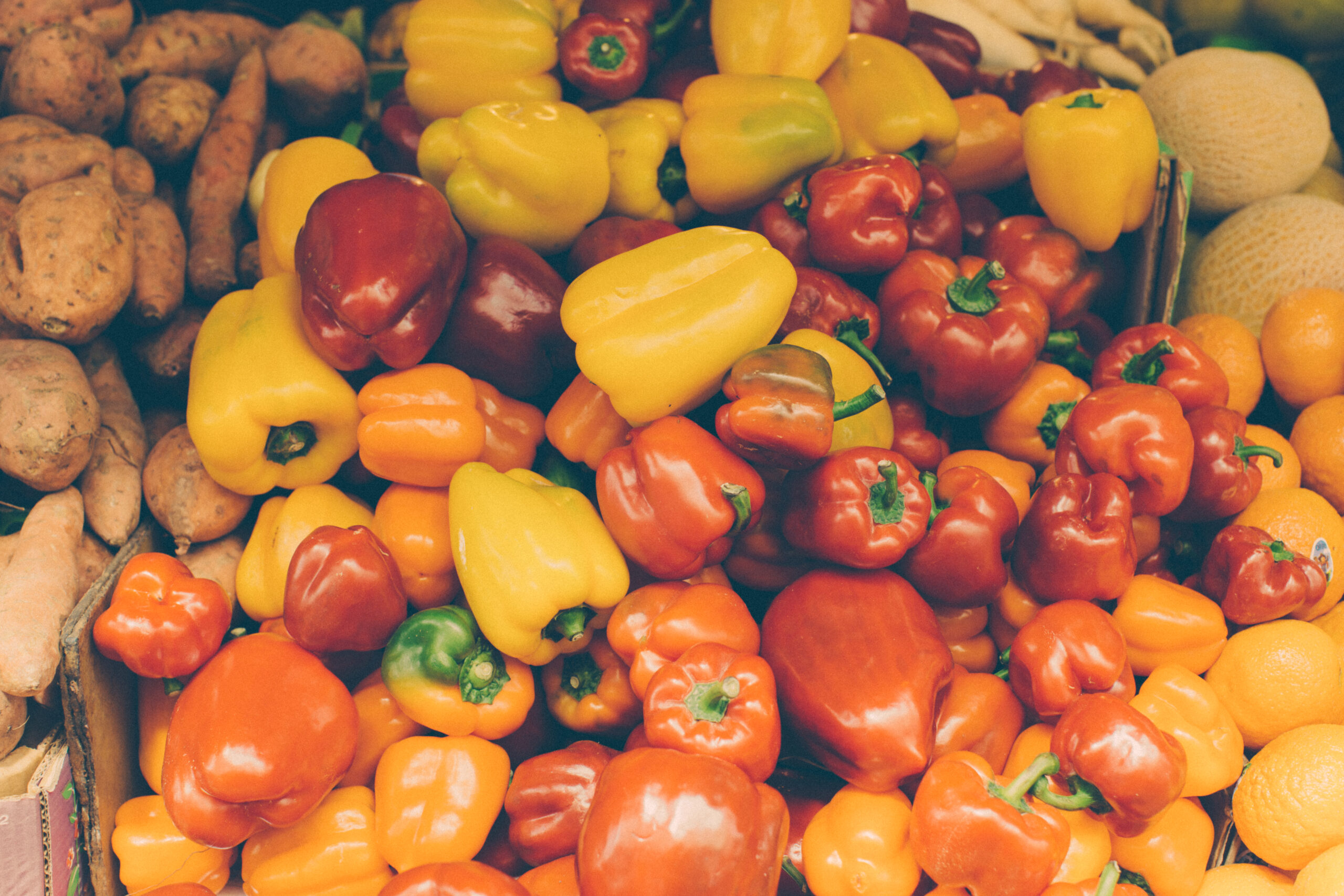
Oranges are useful, affordable, and easy to pack. But they are not the only option. Red and yellow capsicum are especially handy because they work in cooked meals, salads, snack plates, omelettes, and sandwiches.
Kiwi is another simple option. It is small, portable, and easy to add to breakfast. Strawberries work well with yoghurt, cereal, smoothies, and simple desserts. Broccoli can be steamed, roasted, stir-fried, or added to pasta and rice bowls.
The point is not to rank foods perfectly. It is to give yourself enough options that eating well feels flexible.
Pair vitamin C with plant-based iron
One practical reason to care about vitamin C is that it can help your body absorb non-haem iron, the type found in plant foods. This is useful for meals built around beans, lentils, tofu, chickpeas, whole grains, nuts, seeds, and leafy greens.
Simple pairings make this easy:
- Lentil soup with lemon juice stirred in at the end
- Bean tacos with capsicum, tomato salsa, or lime
- Spinach salad with strawberries or orange segments
- Tofu stir-fry with broccoli and capsicum
- Chickpea bowl with tomato, parsley, and lemon dressing
These combinations do not need to be exact. Just adding a vitamin C-rich fruit or vegetable to a plant-based meal can make the meal more useful nutritionally.
Keep prep low-effort
If fresh produce often goes unused, make the habit easier. Keep mandarins, oranges, or kiwi where you can see them. Slice capsicum ahead for two or three days of snacks. Keep frozen broccoli or mixed vegetables in the freezer for quick dinners. Use cherry tomatoes when chopping feels like too much.
Frozen fruit and vegetables can still be helpful. Frozen berries can go into oats, yoghurt, or smoothies. Frozen broccoli can be steamed or added to stir-fries. The best option is the one you will actually use.
For cooking, gentle methods help. Vitamin C can be reduced by long cooking times and lots of water. You do not need to obsess over this, but steaming, microwaving, stir-frying, roasting, or adding lemon juice after cooking can be practical choices.
Make a simple daily pattern
If you want an easy structure, try this:
- Breakfast: add a fruit such as kiwi, orange, berries, or grapefruit
- Lunch: add tomato, capsicum, cabbage, leafy greens, or lemon dressing
- Dinner: include broccoli, potatoes, capsicum, Brussels sprouts, or another colourful vegetable
- Snacks: keep fruit or sliced capsicum ready when you want something crisp or sweet
You do not need all of these every day. Even one or two regular choices can improve the overall pattern of your diet.
When supplements make sense
Most people can get enough vitamin C through food, especially with a few regular fruit and vegetable choices. Supplements may be useful for some people, including those with limited food access, very restricted diets, certain medical conditions, or advice from a health professional.
More is not always better. Very high supplemental doses can cause stomach upset for some people and may not add extra benefit if your diet already covers your needs. If you are unsure, it is sensible to ask a doctor, pharmacist, or dietitian, especially if you have kidney issues, take regular medication, or are managing a health condition.
A realistic shopping list
You do not need to buy everything at once. Choose two or three:
- Oranges, mandarins, or grapefruit
- Kiwi fruit
- Strawberries or frozen berries
- Red, yellow, or green capsicum
- Broccoli or frozen broccoli
- Tomatoes or cherry tomatoes
- Lemons or limes
- Potatoes or sweet potatoes
- Spinach, cabbage, or leafy greens
Bottom line
Vitamin C does not need a complicated routine. Add a colourful fruit or vegetable to meals you already eat, pair vitamin C-rich foods with plant-based iron when you can, and keep a few low-effort options within reach. Small, repeatable choices are usually the ones that stick.
Image credits / licence notes
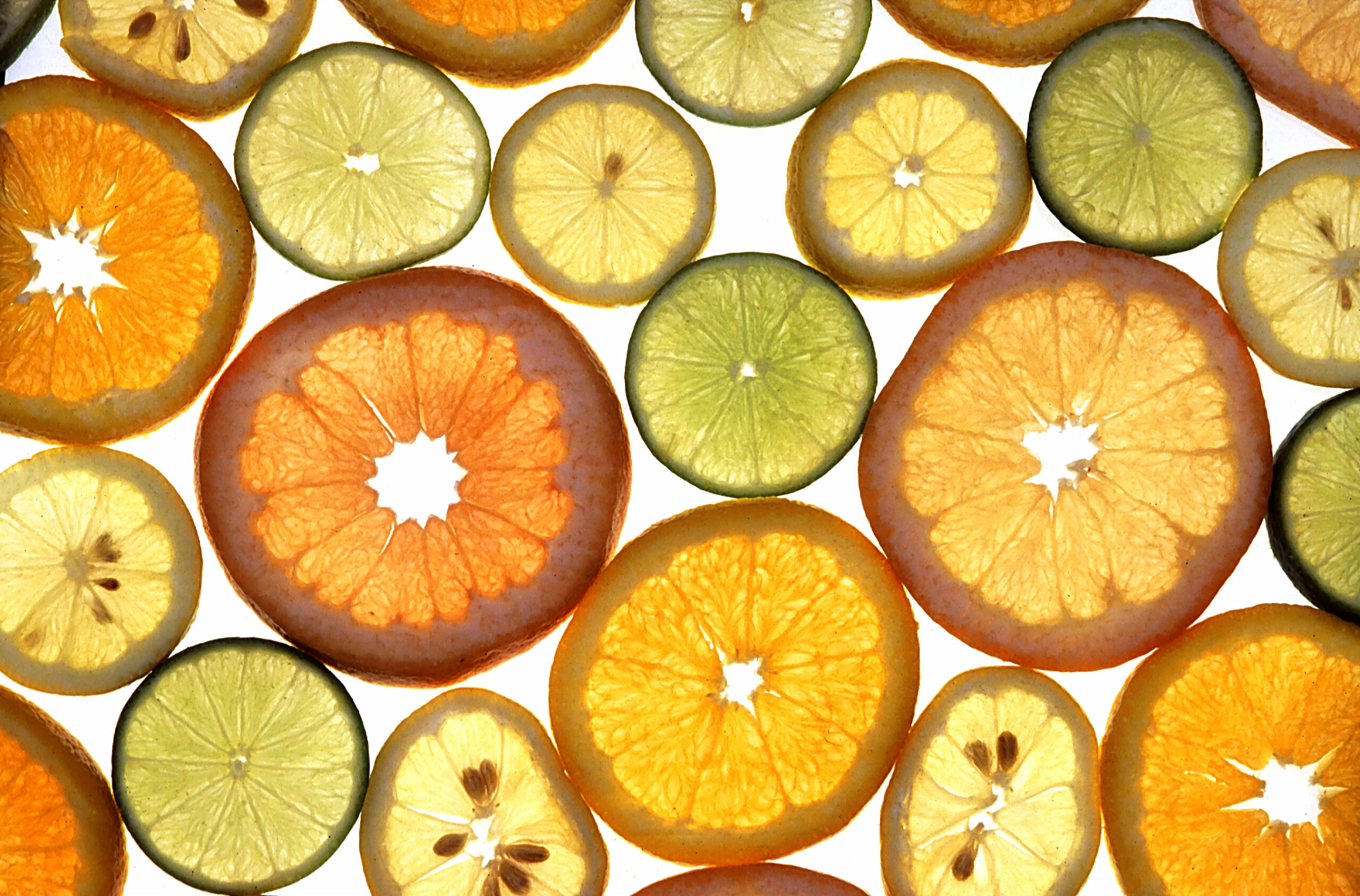
- Citrus fruits — Photo by Scott Bauer, USDA Agricultural Research Service. Source: Wikimedia Commons, File:Citrus fruits.jpg. Licence: Public domain / USDA ARS.
- Colourful bell peppers — Photo by Gabriel Ghnassia via Unsplash, hosted on Wikimedia Commons. Source: Wikimedia Commons, File:Colorful Bell Peppers (Unsplash).jpg. Licence: Creative Commons CC0 1.0 Public Domain Dedication.




.jpg)