
A breakfast sandwich is one of those meals that sounds simple and is often treated too simply. If you only use bread and one filling, it can feel light for a few minutes and then disappear on you. But when you give it a few basic parts, it turns into a very practical meal.
The best version is usually not complicated. It just has structure: bread that can hold up, a protein that adds staying power, something fresh for texture, and a small amount of flavour so it tastes finished. That is enough to make breakfast feel easy without feeling thin.
Why breakfast sandwiches work so well
A breakfast sandwich becomes more useful once it has a clear job. It should be easy to hold, easy to eat, and satisfying enough that you are not looking for more food immediately afterwards. That usually means a real structure, not just bread with something vague inside it.
The best version is usually not complicated. Bread gives the sandwich its shape, protein adds staying power, vegetables add freshness, and a little sauce or seasoning helps the whole thing taste finished. If those pieces are in place, breakfast gets a lot easier to repeat.
Start with bread that can hold the filling
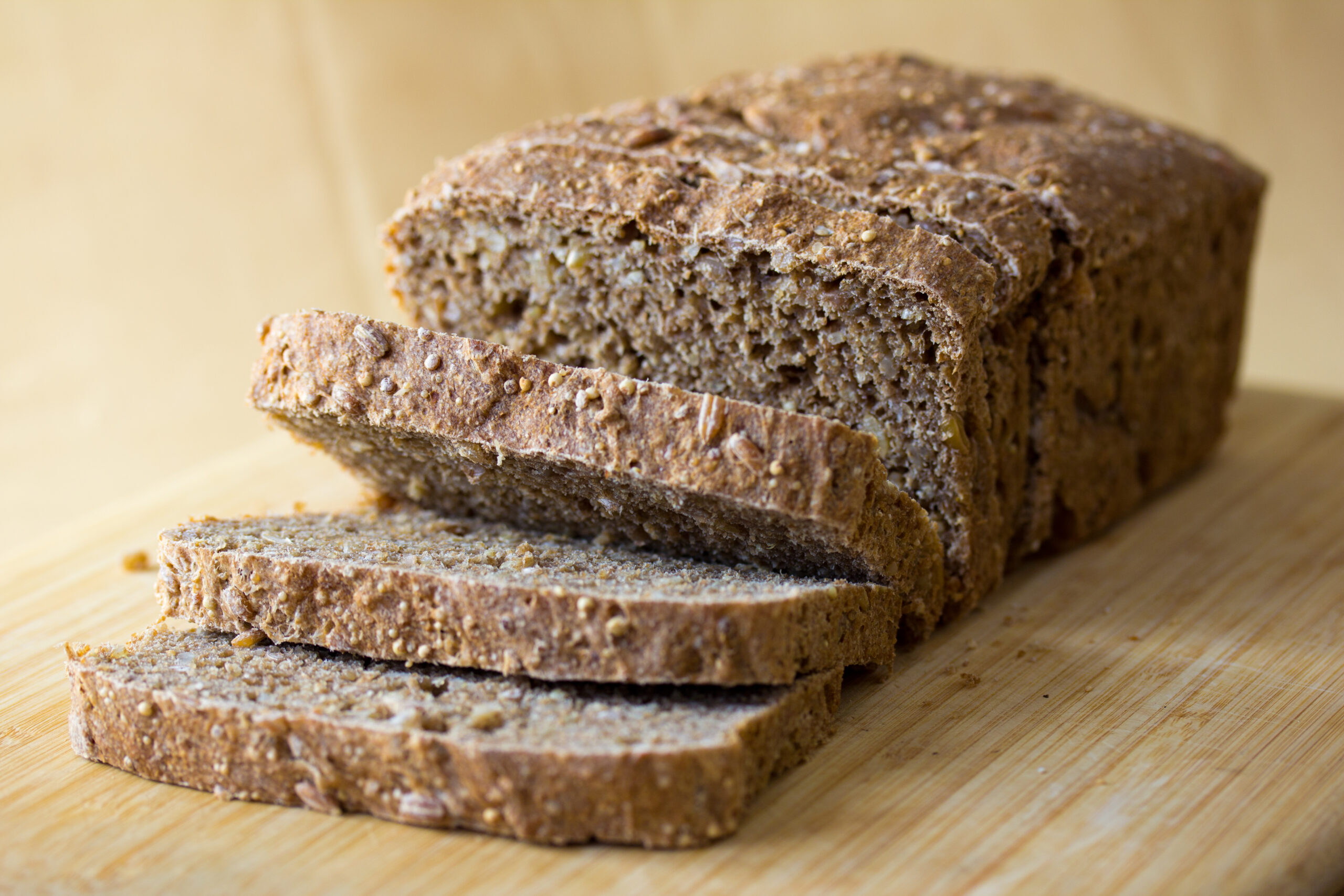
The bread matters more than people sometimes think. Soft bread can work, but it should still be sturdy enough to survive eggs, sauce, and a little moisture. Wholegrain bread, an English muffin, a split roll, or a toasted sandwich bread can all do the job well.
If the bread is too flimsy, the sandwich starts to fall apart before you are halfway through. Toasting helps because it gives the bread a little more structure and keeps the inside from turning soggy too quickly. That small step often makes the whole meal feel better.

Add one protein you will actually use
Protein is what turns the sandwich from a snack into breakfast. Eggs are the obvious choice, but they are not the only one. Turkey, chicken, cheese, tofu, cottage cheese, beans, or leftover salmon can also work if that is what you already keep around.
The trick is to choose one main protein and not overcomplicate the rest. A fried egg with a slice of cheese is enough. Scrambled eggs with spinach is enough. A little leftover chicken with mustard and greens is enough. You do not need a breakfast sandwich that reads like a menu.
Bring in something fresh and crisp
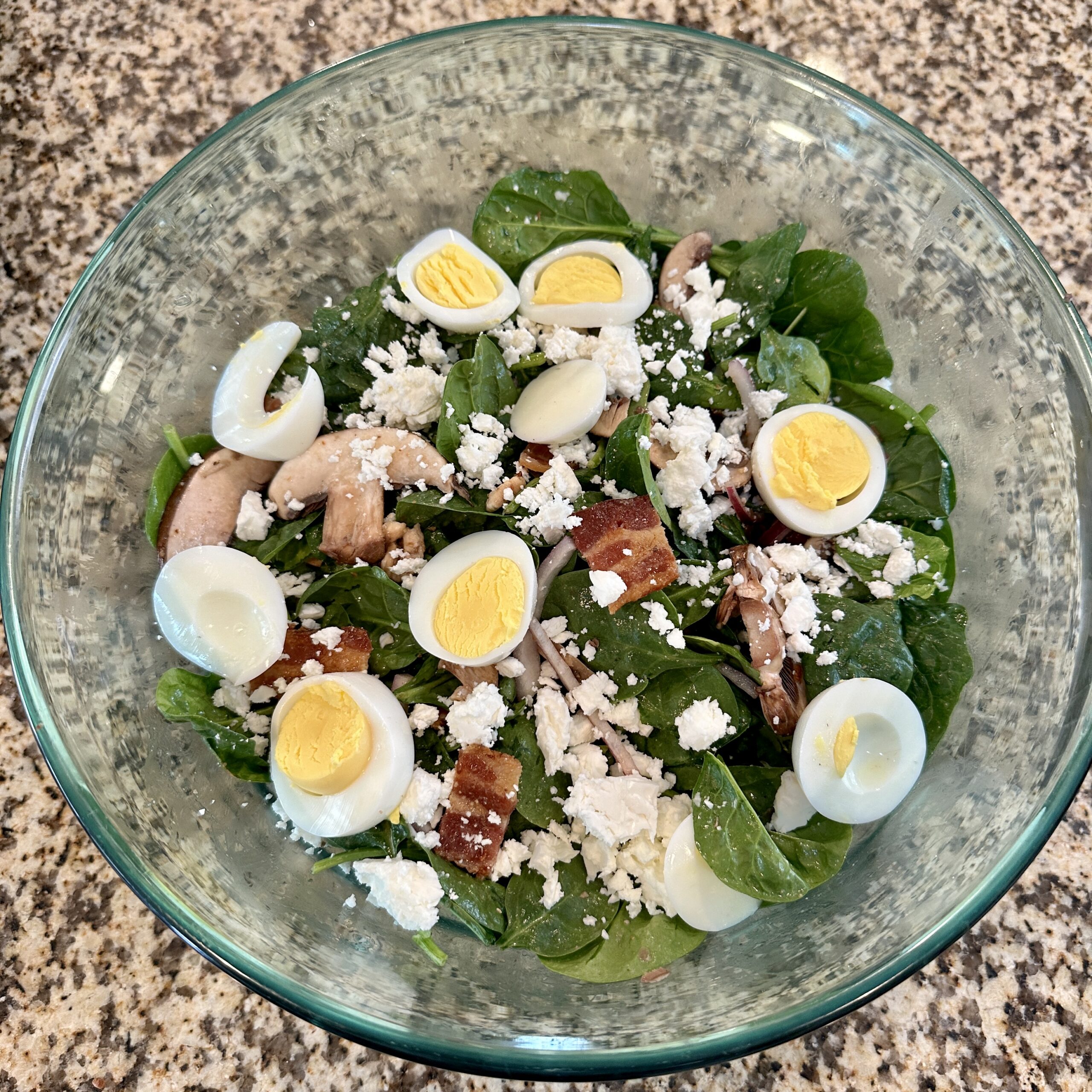
A good breakfast sandwich usually needs a little contrast. Something fresh keeps the sandwich from feeling flat. That might be tomato, lettuce, spinach, cucumber, avocado, pickles, herbs, or a small handful of greens.
This piece does not have to be large. Even a few leaves of spinach or a couple of tomato slices can change the whole sandwich. The point is to add one layer that gives you a clean bite and keeps the meal from feeling heavy all the way through.
Keep the sauce calm
Sauce can help, but too much of it makes the sandwich soggy and sloppy. A little mustard, yogurt spread, pesto, salsa, hummus, or hot sauce is usually enough. You want support, not a flood.
Think of sauce as the finishing touch that ties the sandwich together. If the bread, protein, and vegetables already make sense, the sauce only needs to lift the flavour a little. That is often the difference between a decent sandwich and one you want to make again.
Use texture to make it feel like a meal
Texture is one of the easiest ways to make a breakfast sandwich feel satisfying. Toasted bread gives crunch. Eggs add softness. Greens or tomato add freshness. Cheese melts into the middle. When those pieces are different enough from one another, the sandwich feels more complete.
That is why breakfast sandwiches often work better when you stop trying to make them too uniform. A little contrast gives the sandwich personality. It also makes the meal feel less like food you assembled by accident and more like something intentional.
A few easy breakfast sandwich formulas
If you like having repeatable options, keep a few simple combinations in mind: egg, cheddar, and spinach on toasted wholegrain bread; turkey, tomato, and mustard on a roll; scrambled eggs, avocado, and hot sauce on a muffin; or tofu, greens, and a little salsa on toasted bread.
These are not fancy recipes. They are just easy formats you can repeat when you do not want to think too hard. The more often a breakfast works on an ordinary day, the more useful it is in real life.
Make-ahead helps on busy mornings
Breakfast sandwiches get even easier when a few parts are ready ahead of time. You can toast bread in batches, cook eggs in advance, keep greens washed in the fridge, or portion out cheese and sauce so breakfast is just an assembly job.
If you like meal prep, breakfast sandwiches are a good place to use it. If you do not, that is fine too. Even one or two small shortcuts can make the difference between skipping breakfast and eating something that actually helps.
Key takeaway
A better breakfast sandwich usually comes down to four things: sturdy bread, one real protein, a fresh layer, and a small amount of sauce or seasoning. Keep those pieces simple and repeatable, and breakfast becomes easier to pull off without feeling dull.
Image credits / licence notes
- A sturdy wholegrain slice gives the sandwich a better base and more staying power.
Source: https://commons.wikimedia.org/wiki/File:Vegan_Nine_Grain_Whole_Wheat_Bread.jpg
Creator / agency: Mattie Hagedorn
Licence: CC BY-SA 2.0 (https://creativecommons.org/licenses/by-sa/2.0/) - Eggs are one of the easiest ways to make the sandwich feel like a real breakfast.
Source: https://commons.wikimedia.org/wiki/File:Fresh_Eggs_(Unsplash).jpg
Creator / agency: Autumn Mott / autumnmott
Licence: CC0 1.0 Universal Public Domain Dedication (https://creativecommons.org/publicdomain/zero/1.0/deed.en) - A little greens and crunch keep the sandwich from feeling too heavy or one-note.
Source: https://commons.wikimedia.org/wiki/File:Classic_spinach_salad.jpg
Creator / agency: Valereee
Licence: CC0 1.0 Universal Public Domain Dedication (https://creativecommons.org/publicdomain/zero/1.0/deed.en)