
Vitamin D can feel a bit confusing because it sits between food, sunlight, and health advice. It is important for bones, muscles, immune function, and general wellbeing, but many people are not sure where it actually comes from or how much attention it needs.
The calm version is this: vitamin D is worth knowing about, but it does not need to become another complicated nutrition project. A few everyday foods can help. Sensible sunlight habits may help too, depending on your skin, season, location, clothing, and health needs. If you have a deficiency, medical advice matters because food alone may not be enough.
Start with oily fish if you eat it
Oily fish is one of the most useful food sources of vitamin D. Salmon, sardines, trout, herring, and mackerel are common examples. They also bring protein and omega-3 fats, which makes them a strong option when you want one food to do a few jobs at once.
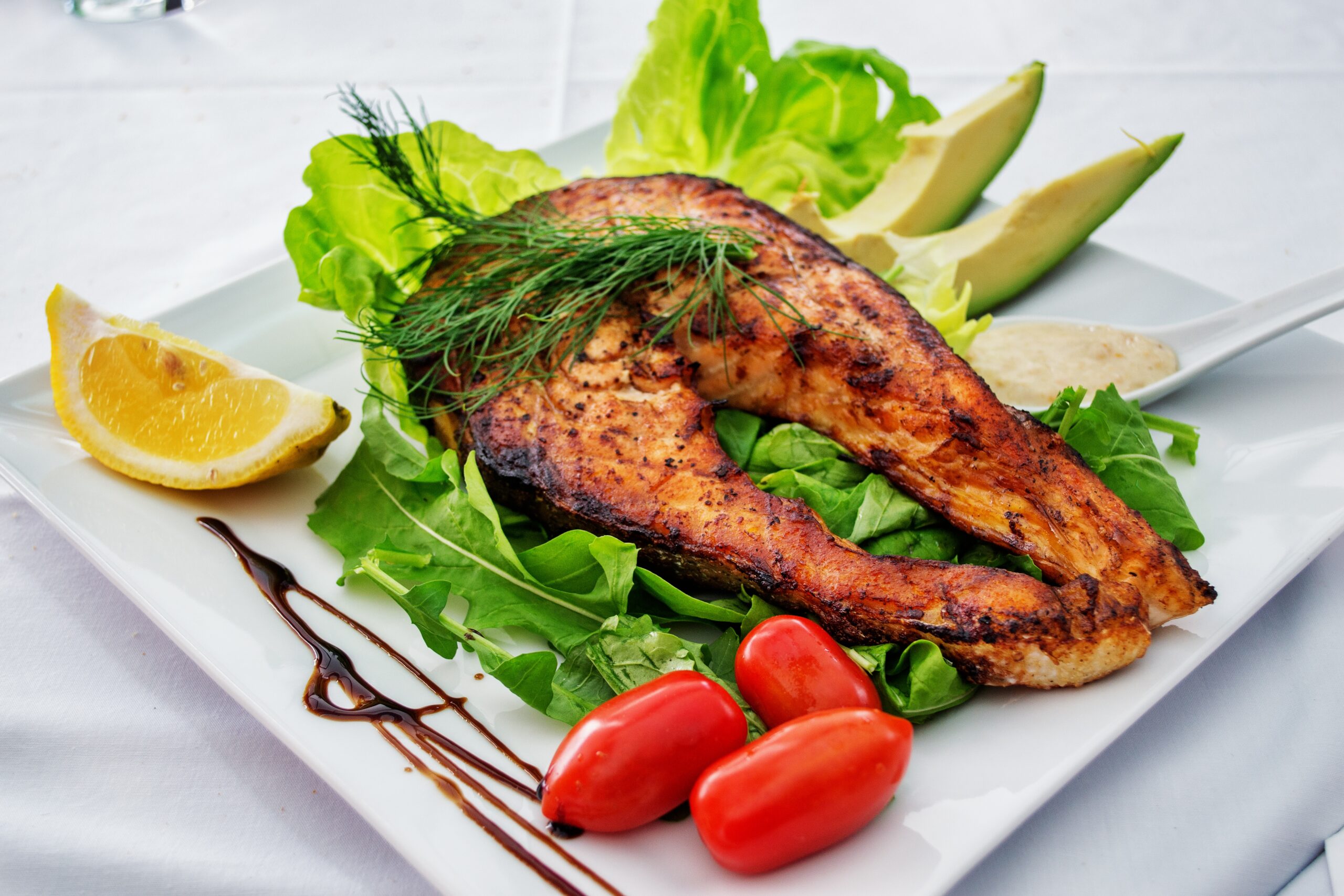
This does not mean you need fish every day. For many people, one or two fish meals a week is a more realistic starting point. Tinned sardines or salmon can be especially practical because they keep well, are quick to use, and can turn into toast, salads, pasta, rice bowls, or simple lunches without much cooking.
Use eggs as a simple add-on
Eggs are not usually as high in vitamin D as oily fish, but they are easy to fit into normal meals. The vitamin D is mainly in the yolk, so whole eggs matter here. They can work at breakfast, in a quick lunch, or as a simple dinner backup when the fridge is looking thin.
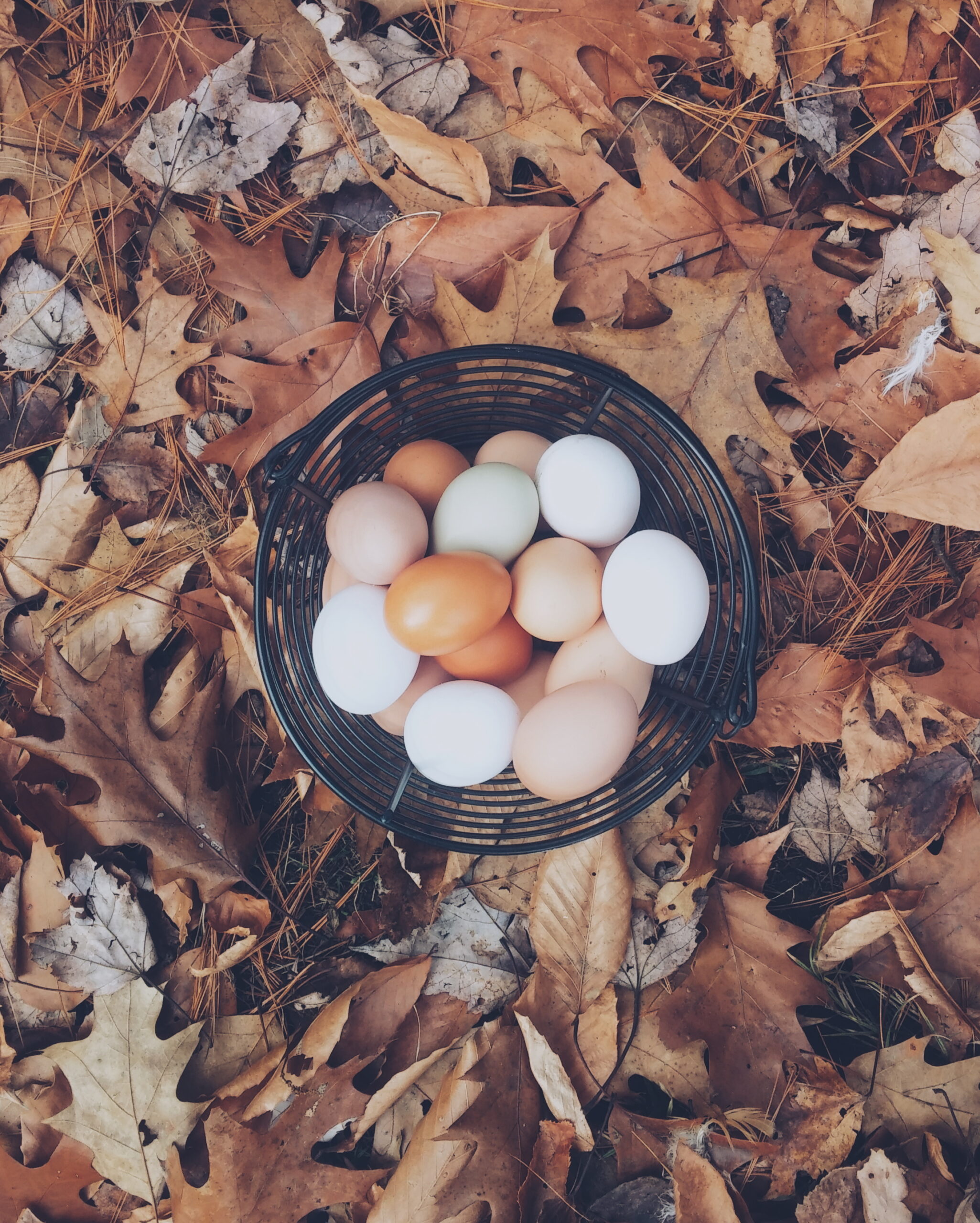
Think of eggs as a helpful add-on rather than the whole plan. Scrambled eggs on wholegrain toast, boiled eggs with salad, or eggs added to fried rice can make a meal more filling while adding a small amount of vitamin D and plenty of protein.
Check mushrooms and fortified foods
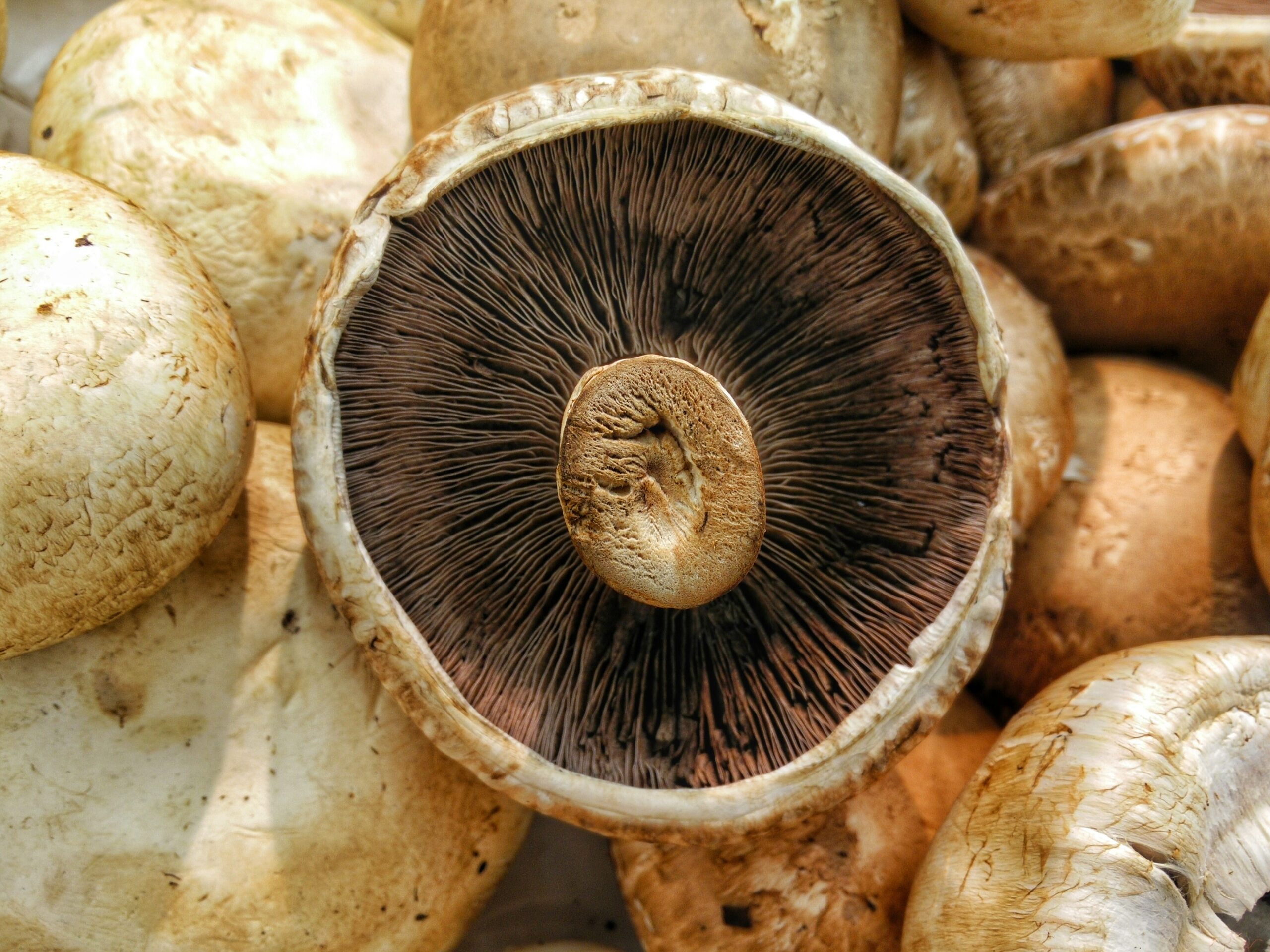
Some mushrooms contain vitamin D, particularly if they have been exposed to UV light. Labels can vary, so it is worth checking the pack rather than assuming every mushroom is a strong source. Mushrooms are still useful either way because they add texture and flavour to eggs, pasta, soups, stir-fries, and simple vegetable sides.
Fortified foods can also help. Depending on where you live, some milks, plant milks, breakfast cereals, yoghurts, and spreads may have vitamin D added. These can be useful if you do not eat fish or if you want a steady, low-effort option. The key is to read the label and choose products that already fit how you eat.
Keep sunlight advice sensible
Sunlight helps the body make vitamin D, but the right amount is not the same for everyone. Season, latitude, time of day, cloud cover, skin tone, age, clothing, sunscreen, and time spent indoors all make a difference. That is why broad rules can be frustrating.
A practical approach is to avoid extremes. Do not burn or chase long sun exposure for vitamin D. At the same time, if you spend nearly all day indoors, it may be worth asking a health professional whether your vitamin D level should be checked, especially in winter or if you have risk factors for deficiency.
Build it into normal meals
Vitamin D foods are easiest to use when they become part of meals you already make. Try salmon with potatoes and salad, sardines on toast with tomato, eggs with mushrooms and spinach, fortified yoghurt with fruit, or fortified milk in oats. None of these meals need to look special.
If you are plant-based, focus on fortified foods and UV-exposed mushrooms, then get individual advice if you are worried about low vitamin D. Supplements may be useful for some people, but they should fit your situation rather than being added at random.
Key takeaway
Vitamin D support is usually a mix of simple food choices, sensible sunlight habits, and personal context. Oily fish, eggs, UV-exposed mushrooms, and fortified foods can all help. If deficiency is possible, a blood test and professional advice are better than guessing.
Image credits / licence notes
- Grilled plated salmon fillet. Creator/agency: DanaTentis. Licence: CC0 1.0 Universal Public Domain Dedication.
- Fresh Eggs (Unsplash). Creator/agency: Autumn Mott. Licence: CC0 1.0 Universal Public Domain Dedication.
- Mushrooms (Unsplash). Creator/agency: Harshal Hirve. Licence: CC0 1.0 Universal Public Domain Dedication.




.jpg)
.jpg)
Usually I do not read article on blogs however I would like to say that this writeup very compelled me to take a look at and do so Your writing taste has been amazed me Thanks quite nice post
Your blog is a testament to your passion for your subject matter. Your enthusiasm is infectious, and it’s clear that you put your heart and soul into every post. Keep up the fantastic work!