
Start with bread you actually like
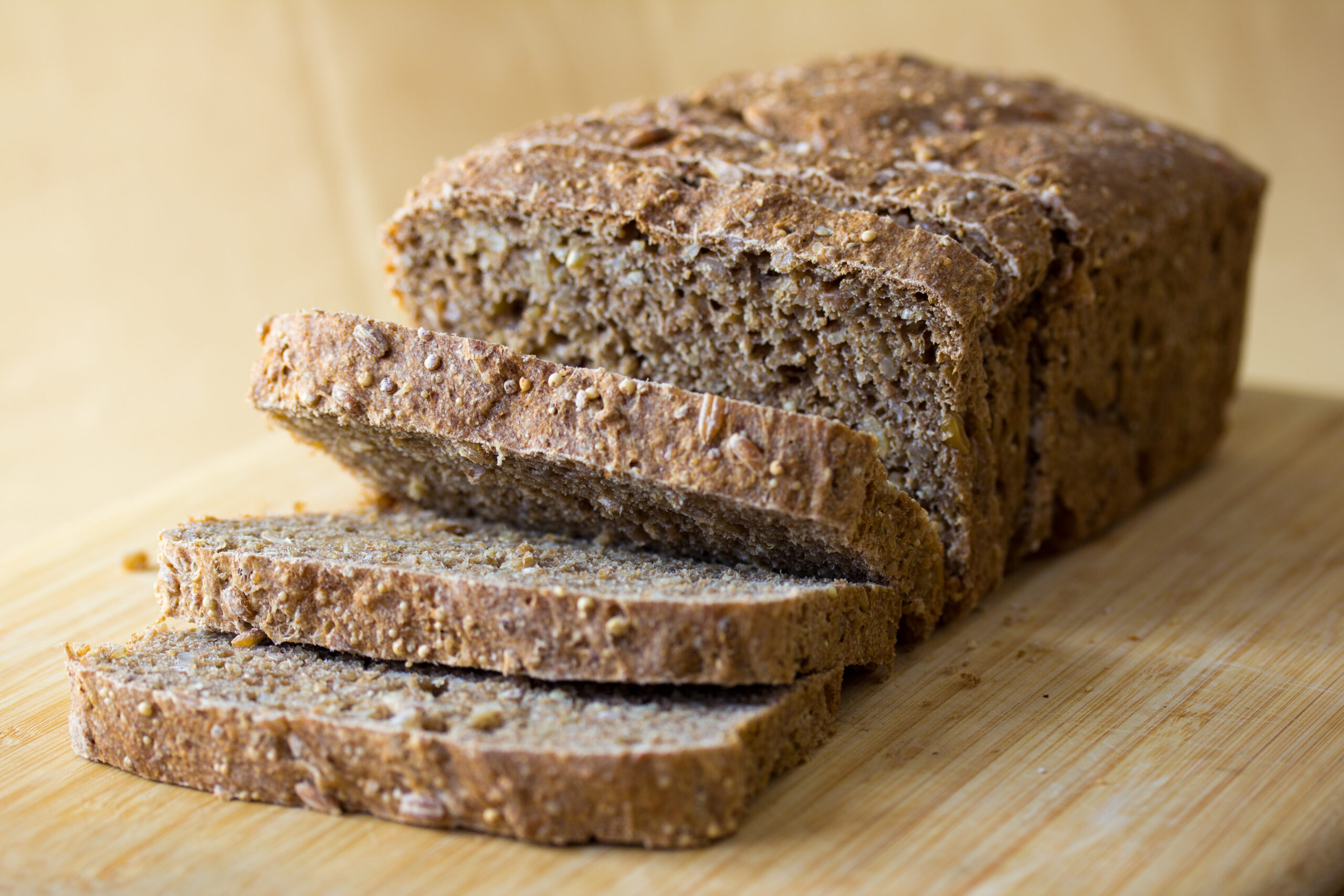
A good sandwich usually begins with bread that tastes good enough to repeat. If the bread is dry, bland, or too heavy for your usual lunch, the rest of the sandwich has to do too much work. Choose something you enjoy enough to buy again, whether that is wholegrain bread, a roll, a wrap, sourdough, or a softer sandwich loaf.
You do not need the most virtuous bread in the shop. You need bread that feels worth eating on a normal weekday.
Add one protein you will actually use
Protein is a big part of what makes a sandwich feel like a real meal rather than a quick stopgap. Eggs, tuna, chicken, turkey, tofu, cottage cheese, hummus, beans, salmon, or cheese can all play that role. Pick the ones you already like and keep the list short.
If you are not much of a planner, default to one or two options you can keep ready in the fridge. Boiled eggs, leftover chicken, a tub of hummus, or sliced cheese can save a lot of last-minute decision-making.

Use something fresh for crunch
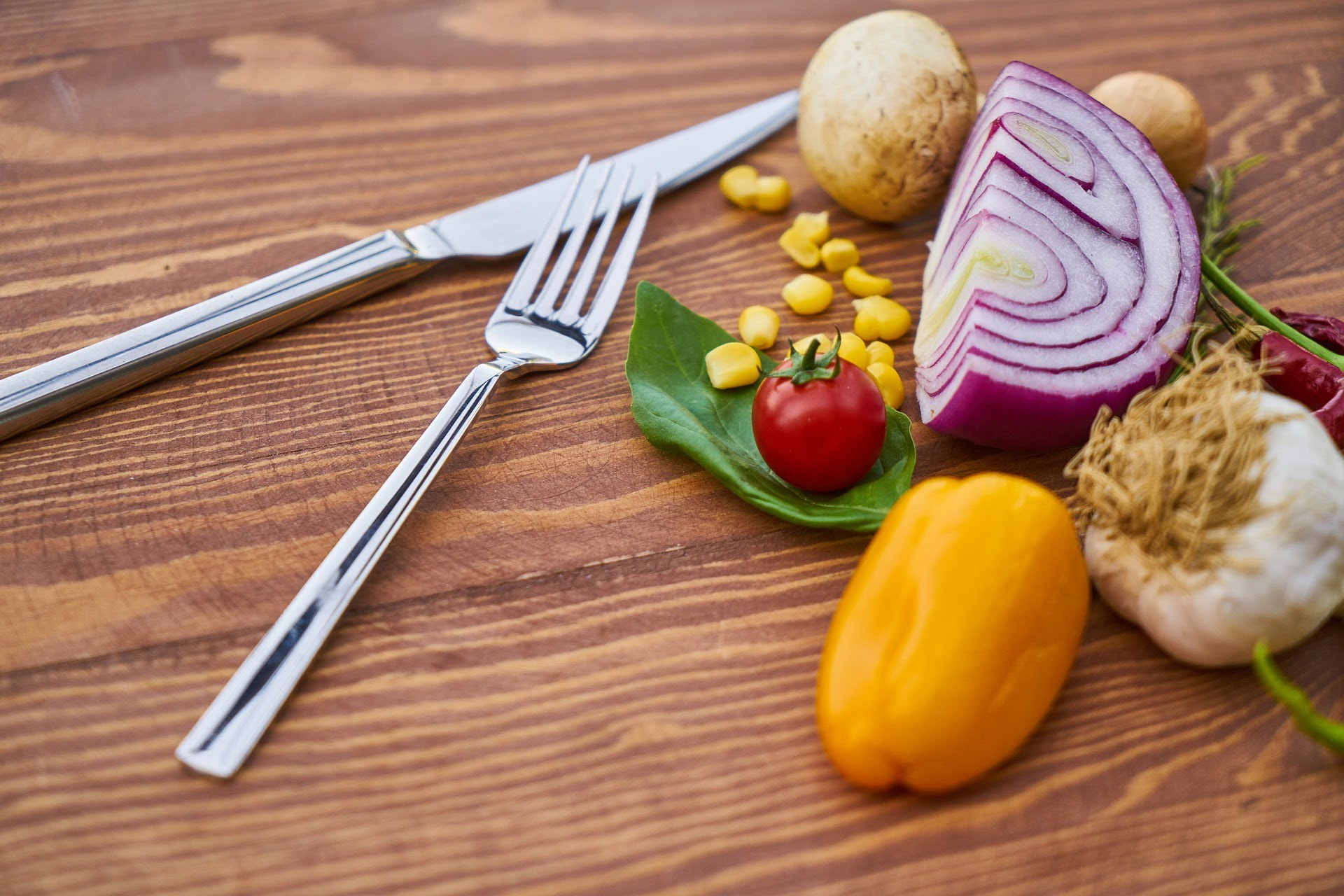
A sandwich often feels better when it has a bit of freshness in it. Lettuce, spinach, tomato, cucumber, capsicum, grated carrot, sprouts, or thin slices of apple can wake up the whole thing. The goal is not to pile on every vegetable in the fridge. It is to add one or two pieces that make the sandwich taste more alive.
Fresh ingredients also help with texture. A sandwich with only soft parts can feel flat by the second bite, while a little crunch keeps it more interesting and often more satisfying.
Do not skip the flavour
A plain sandwich can be perfectly fine, but most people do better with some flavour built in. Mustard, pesto, chutney, salsa, hummus, avocado, yoghurt dressing, pickles, or a little mayonnaise can do a lot with very little effort. You do not need five sauces. You just need enough to keep the sandwich from feeling dry or dull.
If you are watching salt, sugar, or energy intake, use stronger flavours in smaller amounts. A little sauce can go a long way when the other ingredients are already doing their job.
Think in sandwich formulas, not recipes
The easiest lunch is usually one you can build from a formula. Bread plus protein plus crunch plus flavour is enough to get started. For example, wholegrain bread with egg, tomato, and mustard. Or a roll with chicken, spinach, and yoghurt dressing. Or a wrap with hummus, cucumber, grated carrot, and cheese.
Once a formula works, repeat it. You do not need endless variety to eat well. A few dependable combinations are often more useful than a new idea every day.
Make it easier on busy days
If lunch tends to happen in a rush, prepare one or two sandwich parts ahead of time. Wash lettuce, slice cucumber, boil eggs, or keep a container of chopped vegetables ready. Even a small amount of prep can turn a vague plan into an actual lunch.
A sandwich that travels well is usually better than a perfect sandwich you never manage to assemble. Keep the goal simple: something tasty, filling, and realistic enough that you will make it again tomorrow.
Key takeaway
A better sandwich is usually just a familiar base, one decent protein, something fresh, and a bit of flavour. Keep the formula simple enough that lunch is easy to repeat.
Image credits / licence notes
- A hearty slice of wholegrain bread gives a sandwich more structure and staying power. Source: File:Vegan Nine Grain Whole Wheat Bread.jpg. Creator / agency: Mattie Hagedorn. Licence: CC BY-SA 2.0.
- Eggs are a simple sandwich filling when you want protein without much prep. Source: File:Fresh Eggs (Unsplash).jpg. Creator / agency: Autumn Mott / autumnmott. Licence: CC0 1.0 Universal Public Domain Dedication.
- A few vegetables add crunch, colour, and freshness without making lunch complicated. Source: File:Vegetables (249191231).jpeg. Creator / agency: Danielle Walquist. Licence: CC0 1.0 Universal Public Domain Dedication.




.jpg)
.jpeg)