
Meal prep is often shown as a row of identical containers, but that is not the only way to do it. For many people, the most useful version is simply having a few ready-to-use foods in the fridge so healthy meals are easier when the day gets busy.
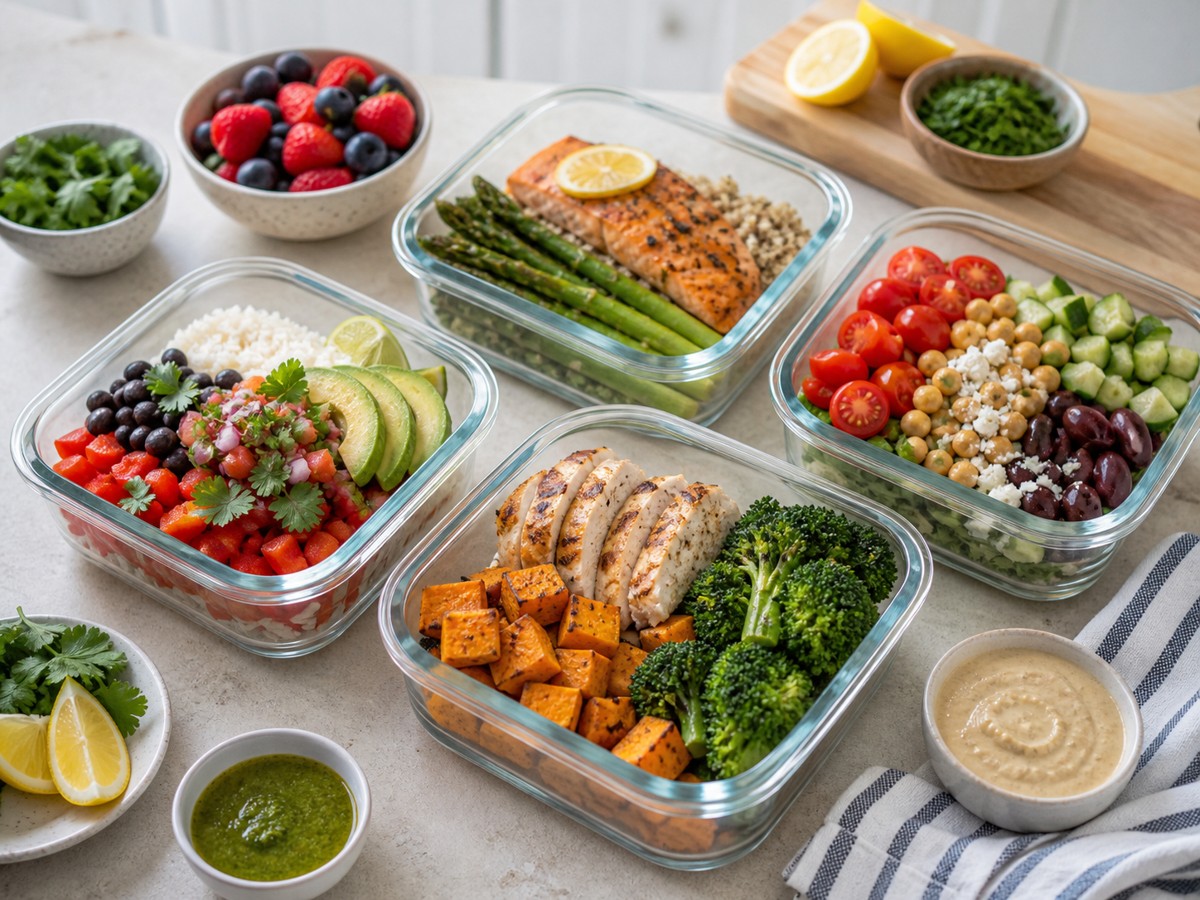
Prep ingredients, not every meal
Full meal prep can work well, but it can also feel repetitive by Wednesday. A more flexible approach is to prep ingredients that can be mixed in different ways. Cook a grain, wash and chop vegetables, make one protein, and keep a simple sauce or dressing ready.
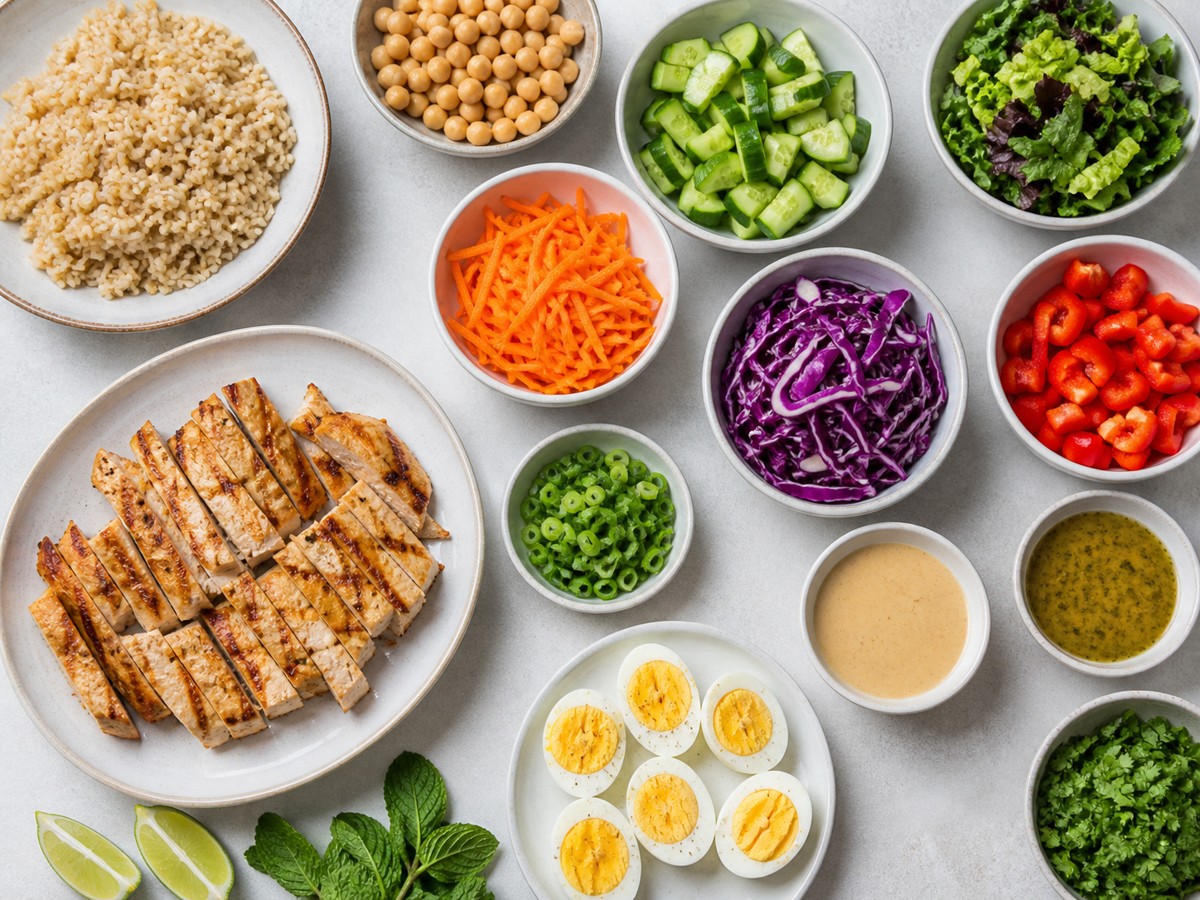
For example, cooked rice can become a rice bowl, a side for dinner, or a quick fried rice with eggs and vegetables. Roast chicken can go into wraps, salads, soups, or a baked potato. Chopped cucumber, carrots, capsicum, and leafy greens can make lunches faster without locking you into one meal.
This style still saves time, but it leaves room for appetite and mood. You are not forcing yourself to eat the same lunch every day just because Sunday was productive.
Use the simple plate formula
A good meal prep plan does not need complicated recipes. Aim to have something ready from three groups: protein, fibre-rich carbohydrate, and colourful plants. Add a little healthy fat or sauce for flavour, and you have the base for many meals.
Protein might be eggs, tuna, chicken, tofu, yoghurt, beans, lentils, or mince. Fibre-rich carbohydrates might be oats, potatoes, brown rice, whole grain bread, quinoa, or pasta. Colourful plants can be fresh, frozen, canned, roasted, or raw.
When those pieces are available, meals become easier to assemble. You can build a bowl, wrap, salad, omelette, soup, or toast plate without starting from zero.
Change the flavour, not the whole plan
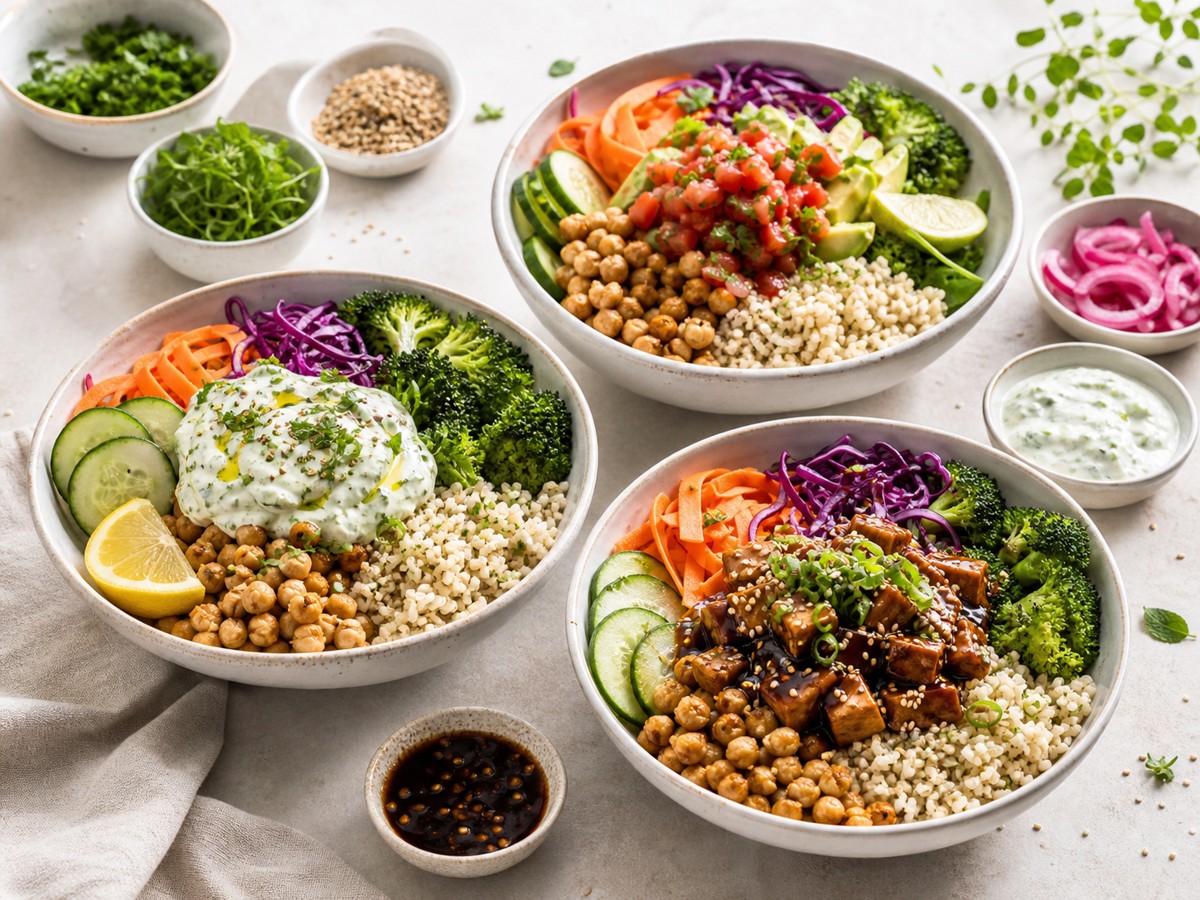
Boredom often comes from repeating the same flavour, not from repeating the same ingredients. A bowl with rice, vegetables, and chicken can feel different with lemon and herbs, salsa and avocado, soy and ginger, yoghurt sauce, or a quick vinaigrette.
Keep two or three flavour boosters on hand. Useful options include hummus, pesto, plain yoghurt mixed with lemon, chilli crisp, mustard dressing, tahini sauce, salsa, pickles, herbs, and toasted seeds. A small change can make leftovers feel like a new meal.
If you are watching salt or sugar, check labels and use stronger sauces in smaller amounts. The goal is not to make food plain. It is to make healthy meals enjoyable enough to repeat.
Plan for the realistic week
Meal prep works better when it matches the week you actually have. If you know two nights will be late, prep something that can become dinner quickly. If mornings are rushed, make breakfast easier. If lunches are the problem, focus there first.
You do not need a fridge full of perfectly labelled containers. A pot of soup, a tray of roasted vegetables, boiled eggs, washed fruit, or a jar of overnight oats can be enough. Even one prepared item can reduce the chance of skipping meals or relying on whatever is closest.
It also helps to leave space for convenience foods. Frozen vegetables, canned beans, microwave rice, rotisserie chicken, bagged salad, and plain yoghurt can all support healthy eating. Easy does not mean lazy. It means the plan is more likely to survive a normal day.
Store food so it stays appealing
Food safety and texture matter. Let hot food cool slightly before refrigerating, store it in clean sealed containers, and keep the fridge cold. Most cooked leftovers are best used within a few days, but timing depends on the food and how it was handled.
Keep wet and crunchy ingredients separate when you can. Dress salads just before eating, store sauces on the side, and add crisp toppings like nuts or seeds at the end. These small habits make prepped food feel fresher.
If you often forget what is in the fridge, keep the most urgent items at eye level. A short note on the fridge or a simple phone reminder can also help you use cooked food before it loses quality.
Start with a 30-minute reset
If a big Sunday cook-up feels like too much, try a 30-minute reset instead. Wash fruit, cook a grain, chop two vegetables, boil eggs, or make one sauce. Choose the task that would make tomorrow easier.
Meal prep should lower stress, not create another standard to fail. Keep it small, flexible, and useful. When healthy food is ready in simple pieces, it becomes much easier to build meals that fit real life.
Key takeaway
The best meal prep is the kind you will actually use. Prep flexible ingredients, keep flavour options ready, and focus on the meals that usually cause the most stress.
Image credits / licence notes
- Flexible meal prep can look varied, colourful, and ready for different meals through the week. Credit/source: AI-generated by OpenAI for RundoNow; Generated in OpenClaw/Codex using the imagegen tool. Note: AI-generated image created for RundoNow.
- Prepped ingredients make it easier to assemble bowls, wraps, salads, omelettes, or quick dinners. Credit/source: AI-generated by OpenAI for RundoNow; Generated in OpenClaw/Codex using the imagegen tool. Note: AI-generated image created for RundoNow.
- Changing sauces, herbs, and toppings helps the same basic ingredients feel fresh. Credit/source: AI-generated by OpenAI for RundoNow; Generated in OpenClaw/Codex using the imagegen tool. Note: AI-generated image created for RundoNow.