
In the realm of modern medicine, GLP-1 (Glucagon-Like Peptide-1) receptor agonists have emerged as significant players, particularly in the management of type 2 diabetes and obesity. However, like all medications, understanding their side effects is crucial for comprehensive clinical decision-making. This blog post summarizes an analysis of scientific literature to explore the landscape of research surrounding GLP-1 receptor agonists and their reported side effects.
Methodology: Diving into PubMed
Our investigation began with a targeted search on PubMed, a vast repository of biomedical literature. We specifically looked for articles containing the terms “GLP-1 receptor agonist” and “side effects” in their titles or abstracts. This yielded a dataset of 100 relevant articles, providing a rich foundation for our analysis.
These articles were then systematically parsed to extract key information, including PMIDs, titles, abstracts, journals, publication years, authors, and publication types. This structured data was compiled into a pandas DataFrame for further exploration.
Publication Trends: A Glimpse into Research Activity
An initial look at the publication years revealed interesting trends:
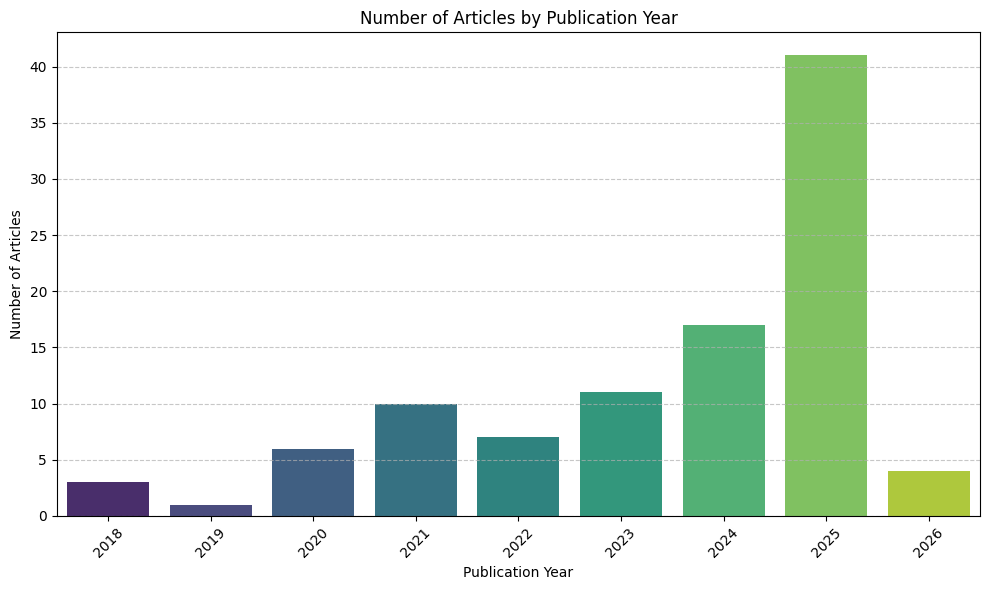
- Publication Years: The articles spanned from 2018 to 2026, with a notable concentration in recent years, particularly 2025 (41 articles) and 2024 (17 articles). This suggests a burgeoning interest and ongoing research in this area.
- Leading Journals: “Cureus” stood out as the most frequent publishing journal, accounting for 13 articles, followed by “Diabetes, obesity & metabolism” (6 articles).
- Publication Types: The majority of the articles were classified as “Journal Article” (34%) or “Journal Article, Review” (27%), indicating a strong presence of original research and comprehensive reviews.
Abstract Analysis: What Are Researchers Talking About?
To understand the core themes within the abstracts, we performed a word frequency analysis. After cleaning the text and removing common stopwords, the most frequently used word was found to be ‘glp’ (220 times). This is not surprising given our search query, but it reinforces the central focus on GLP-1 in these studies.
Sentiment Analysis: A Balanced View?
To delve deeper into the nature of the discussions around GLP-1 receptor agonists and side effects, we conducted a sentiment analysis using NLTK’s VADER lexicon. This allowed us to categorize words within the abstracts as predominantly positive or negative.
Our analysis revealed:
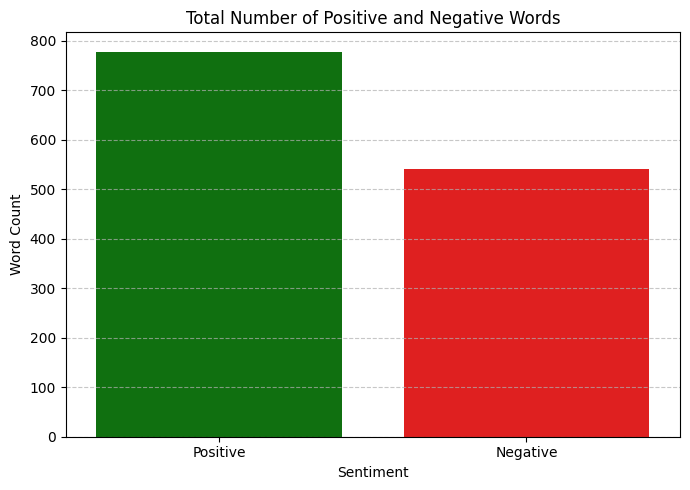
- Total Positive Words: 778
- Total Negative Words: 541
This indicates a higher count of positive-leaning terms compared to negative ones, suggesting that while side effects are discussed, the overall tone might also incorporate positive aspects like efficacy or management strategies.
This indicates a higher count of positive-leaning terms compared to negative ones, suggesting that while side effects are discussed, the overall tone might also incorporate positive aspects like efficacy or management strategies.
Top 10 Most Frequent Positive Words:
- safety (52 times)
- significant (47 times)
- benefits (32 times)
- improved (24 times)
- novel (21 times)
- effective (18 times)
- greater (18 times)
- improve (17 times)
- well (16 times)
- increased (16 times)
Top 10 Most Frequent Negative Words:
- loss (112 times)
- adverse (58 times)
- risk (45 times)
- inhibitors (22 times)
- severe (22 times)
- limited (17 times)
- low (12 times)
- lower (11 times)
- lack (10 times)
- serious (9 times)
The prominence of words like ‘safety’, ‘benefits’, and ‘effective’ alongside ‘loss’, ‘adverse’, and ‘risk’ highlights the dual focus of research – both on the therapeutic advantages and the potential challenges associated with GLP-1 receptor agonists.
Side Effect Frequency Analysis
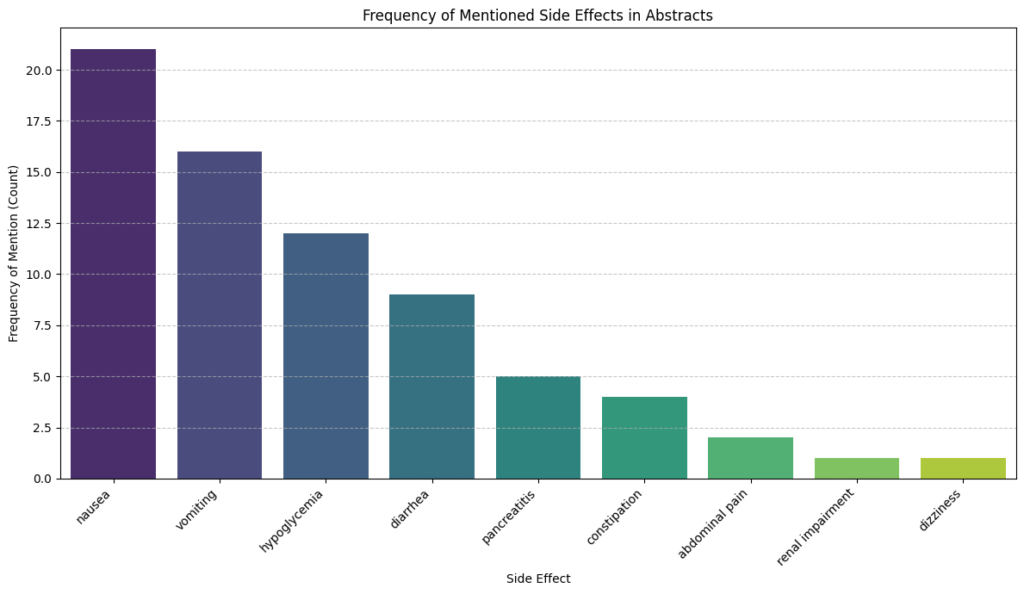
Moving beyond general sentiment, a key objective was to pinpoint the specific side effects most frequently discussed in the literature. We identified several common side effects and quantified their mentions within the abstracts (excluding ‘weight loss’ as per user request):
- nausea: 21 times
- vomiting: 16 times
- hypoglycemia: 12 times
- diarrhea: 9 times
- pancreatitis: 5 times
- constipation: 4 times
- abdominal pain: 2 times
- renal impairment: 1 time
- dizziness: 1 time
This focused analysis reveals that gastrointestinal issues like nausea and vomiting, along with hypoglycemia, are among the most frequently cited side effects in the scientific discourse surrounding GLP-1 receptor agonists.
Our journey through the PubMed literature on GLP-1 receptor agonists and side effects reveals a vibrant and active research landscape. The increasing number of publications, the focus on both positive and negative aspects, and the consistent discussion around terms like ‘safety’ and ‘loss’ underscore the complexity and importance of this field. This analysis provides a foundational understanding, with a particular emphasis on the reported side effects and their prominence in the scientific literature, paving the way for more in-depth exploration into specific side effects and their implications.