
Flatbread lunches are easy to like because they are familiar, portable, and flexible. The trouble is that a wrap or roti can also go soggy, dry, or oddly bland if it is built in a hurry. A few small choices make the difference between a lunch you finish and a lunch you only eat because it is there.
Start with a flatbread you actually like
This sounds obvious, but it matters. If the flatbread itself is stiff, dry, or too flimsy, the whole lunch feels harder before you even add anything. Wholewheat wraps, tortillas, roti, chapati, piadina, and lavash can all work. The best one is the one that tastes good enough to buy again.
It also helps to think about size. A smaller flatbread can be easier to fill neatly, while a larger one can hold more but may become harder to roll. If you know you will eat the lunch at a desk or while moving around, a medium size is often the least annoying option.
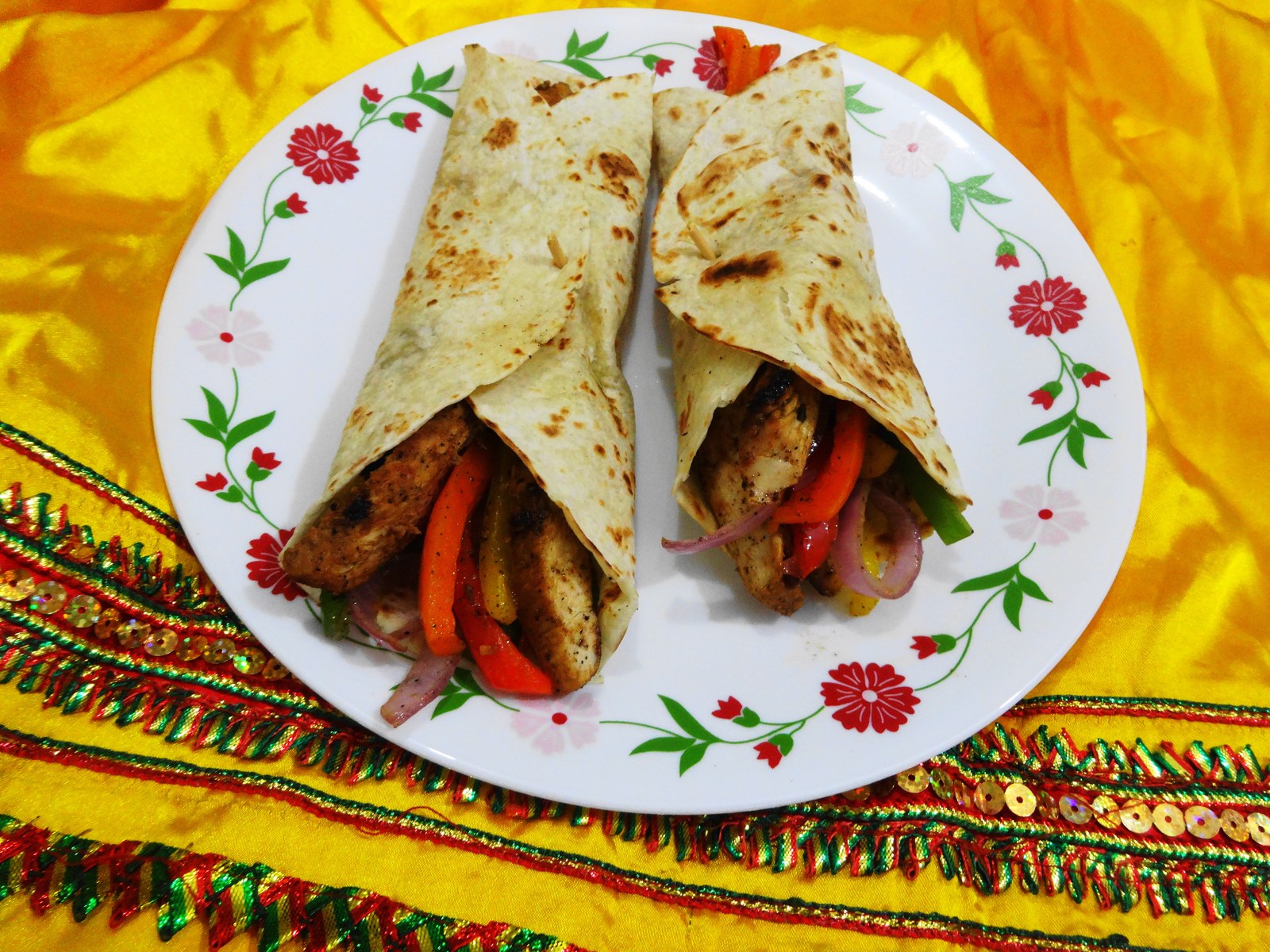
Add a spread first
A spread gives the lunch flavour and acts like a glue layer. It keeps the filling from sliding around and helps the flatbread taste like a complete meal instead of just bread with ingredients inside it.
Hummus, yoghurt sauce, mashed avocado, tahini, bean dip, or a little mustard all work well. You do not need a thick layer. You just need enough to stop the wrap from feeling dry by the time you eat it.
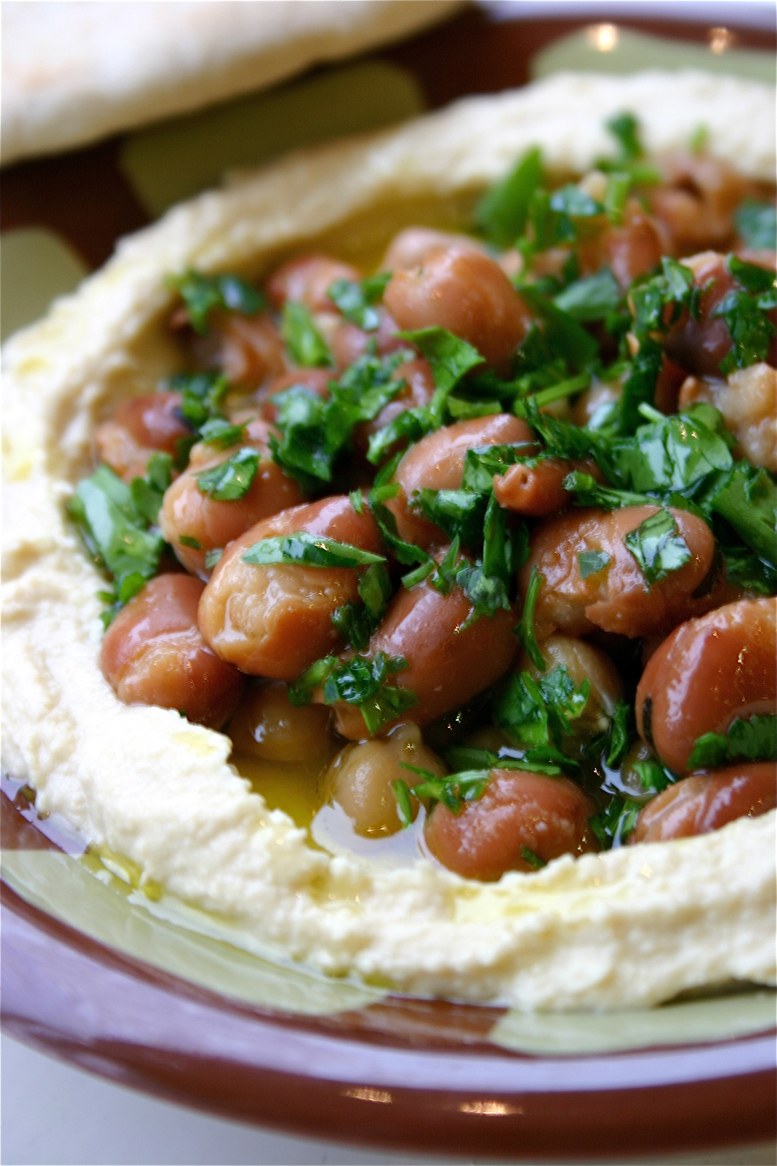
Put the protein in the middle
Protein gives the lunch some staying power. Chicken, tuna, eggs, tofu, beans, lentils, cheese, tempeh, or leftover fish can all work depending on what you already buy and cook.
The middle of the wrap is usually the best place for the protein because it helps the filling stay in place. If the protein is mashed or crumbly, press it gently into the spread before adding the next layer. A neat centre makes the whole lunch easier to handle.
Add one fresh, crunchy layer
A flatbread lunch usually needs something crisp to stop it feeling heavy. Lettuce, spinach, cucumber, grated carrot, cabbage, tomato, radish, bell pepper, herbs, or sliced apple can all add the right contrast.
The trick is not to add too many watery ingredients at once. If you like tomato or cucumber, use them in moderation or pat them dry first. That small habit keeps the wrap fresh instead of soggy.
Keep the filling dry enough to last
Lunch gets better when moisture is controlled. A wrap packed with wet fillings can turn limp before midday. If you are making it ahead, keep juicy ingredients separate when possible, or put them in the centre away from the tortilla edge.
That is why sauces need a light hand. A little dressing or yoghurt is enough to improve flavour. Too much can soak through the bread and make the texture less pleasant. The same goes for very juicy vegetables and overly oily fillings.
Make it easy to pack ahead
The best lunch routine is one you can repeat without thinking too hard. If you pack wraps often, it helps to keep a few reliable components ready: flatbreads, a spread, a protein, one crisp vegetable, and maybe a piece of fruit on the side.
If you do not want the wrap to sit in the fridge for hours, roll it tightly, wrap it in parchment or foil, and keep wet extras separate. A simple container setup usually matters more than the exact recipe.
Simple combinations to repeat
- Hummus, roasted chicken, spinach, and cucumber
- Tahini, chickpeas, grated carrot, cabbage, and herbs
- Yoghurt sauce, tuna, lettuce, tomato, and pepper
- Mashed avocado, eggs, spinach, and radish
- Bean dip, cheese, peppers, and shredded lettuce
Key takeaway
A better flatbread lunch is usually just a sensible one: a bread you like, a spread, a protein, a fresh crunch, and not too much moisture. Once those pieces are in place, lunch feels fresher and easier to repeat.
Image credits / licence notes
- A flatbread lunch starts better when the base is something you actually like eating. Source: https://commons.wikimedia.org/wiki/File:Fajitas_Wraps.JPG. Creator/agency: Miansari66. Licence: CC0 1.0 Universal Public Domain Dedication.
- A spread gives the wrap flavour and helps keep the filling from feeling dry. Source: https://commons.wikimedia.org/wiki/File:Hummus_and_Ful.jpg. Creator/agency: News From Jerusalem. Licence: CC BY-SA 3.0 Unported.
- Fresh greens and crisp vegetables add the contrast that flatbread lunches need. Source: https://commons.wikimedia.org/wiki/File:Salad_of_mixed_greens_plus_a_side_of_roasted_red_pepper_hummus,_with_broiled_Roma_tomato,_radishes,_celery,_peanuts,_olive_oil,_vinegar,_and_black_pepper_-_Massachusetts.jpg. Creator/agency: Daderot. Licence: CC0 1.0 Universal Public Domain Dedication.