
How to Build a Better Dinner Plate Without Counting Calories
Review-only draft. Not for publication.
Dinner does not need to be tracked perfectly to be useful. For most people, the real goal is simpler: put together a plate that feels steady, tastes good, and does not leave you hunting for snacks an hour later. That is where a basic dinner pattern helps.
A better dinner plate is usually not about a strict recipe. It is about shape. If you can get some vegetables, some protein, and a sensible starch on the plate, the meal often feels more complete without much extra effort. That kind of pattern is easy to repeat on a busy weeknight, which is the real test.
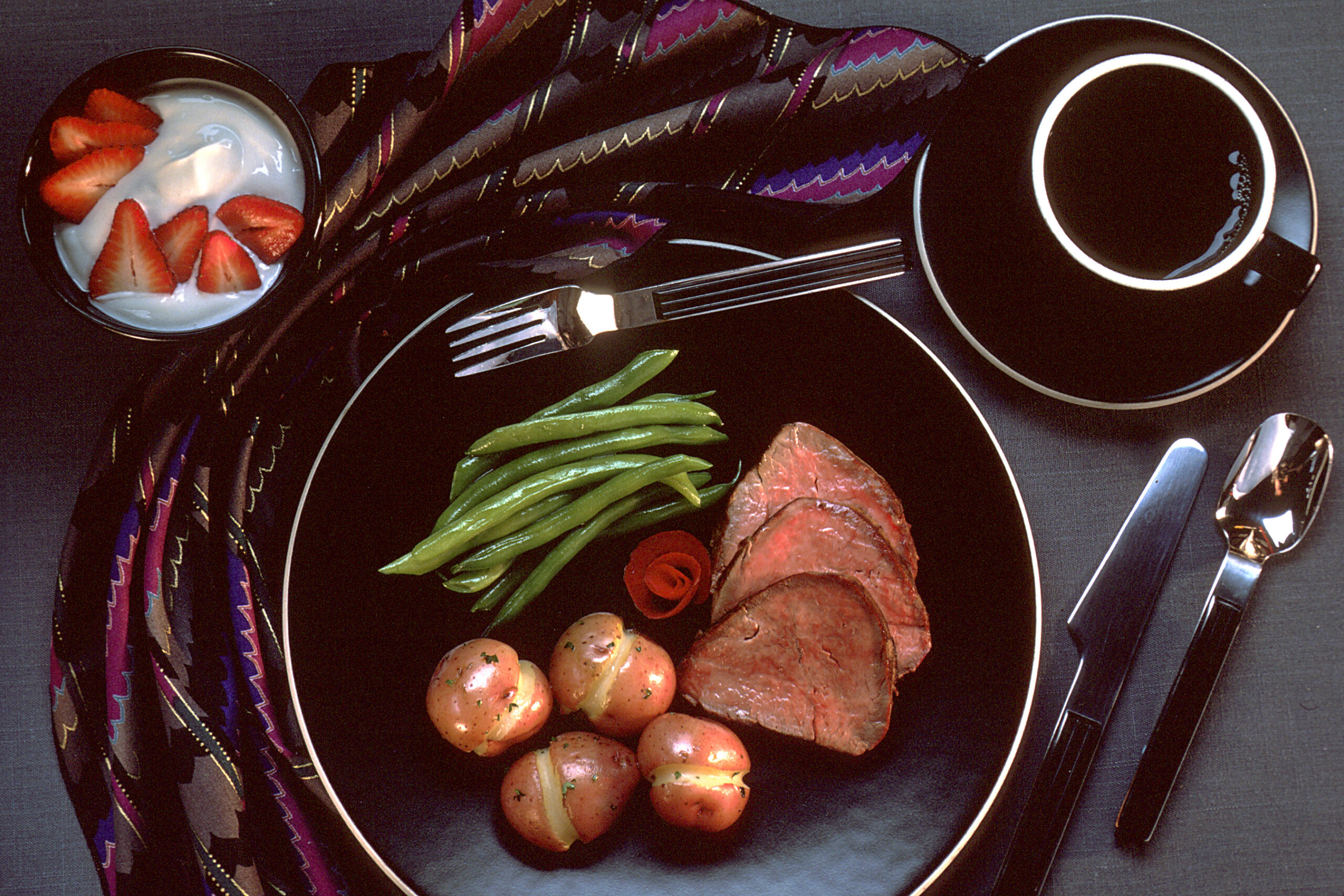
Why dinner can drift off balance
Many dinners start with one main food and then stop there. Maybe it is a big bowl of pasta with a little sauce. Maybe it is a plate of rice with not much else. Maybe it is a sandwich that is more bread than filling. None of those meals are automatically bad, but they can be too one-note to hold up well.
When dinner is mostly starch, it may feel comforting at first and then wear off quickly. When it is mostly protein, it can feel plain and unfinished. The easiest fix is to stop thinking in terms of one hero food and start thinking in terms of a few pieces that work together.
Start with a simple plate shape
A good default is easy to remember: make about half the plate vegetables, then split the other half between protein and a starch or grain. That is not a rule you have to measure. It is just a calm way to get the plate closer to balance.
This shape works because vegetables add volume and colour, protein adds staying power, and the starch helps the meal feel satisfying instead of sparse. You do not need every plate to look the same, but having a rough pattern keeps dinner from drifting into random combinations that do not quite work together.
If you are building dinner from leftovers, the same idea still applies. A little leftover chicken, a scoop of rice, and some roasted vegetables can be enough. The plate does not need to look fancy to be useful.
Make vegetables the easy part
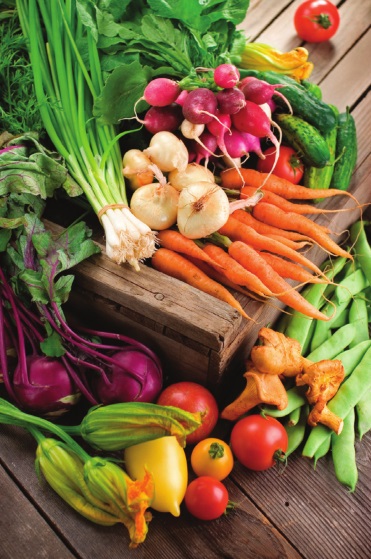
Vegetables are often the piece people mean to add and then forget. The trick is to make them easy to use in whatever form you already tolerate. That might mean raw salad, frozen broccoli, roasted carrots, sautéed peppers, green beans, or a simple tomato salad.
If time is short, frozen vegetables are especially helpful because they are already chopped and ready to go. That can turn a meal from bland to balanced very quickly. Even a handful of spinach stirred into hot food at the end counts as progress.
Try to think in terms of colour and texture, not perfection. One crunchy vegetable and one soft vegetable can make dinner feel much more complete. A plate of rice, chicken, and soft vegetables may still be fine, but adding something fresh or crisp often makes the meal feel better.
Pick one protein you can repeat
Protein does not have to be complicated. The best version is usually the one you will actually cook or open. Eggs, chicken, fish, tofu, beans, lentils, yogurt-based sauces, cottage cheese, and leftovers can all work well.
If dinner is built around a simple protein, the rest of the plate becomes easier. Chicken with vegetables and rice is a familiar combination. Beans with roasted vegetables and a grain bowl works well too. Eggs can turn a basic plate of toast and greens into a full meal. Even canned tuna can do the job when you need something quick.
The point is not to eat protein for its own sake. The point is to give the meal some staying power and make the rest of the plate feel connected. Once that piece is in place, dinner usually holds together much better.
Use starch as support, not the whole story
Starch is not the problem. It is often the part that makes dinner feel satisfying. The issue is when starch is asked to do all the work by itself. Rice, potatoes, bread, pasta, noodles, and grains all fit well when they sit alongside vegetables and protein.
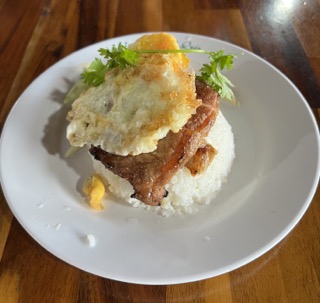
A useful question is not “Should I have carbs?” It is “What else is on the plate?” If the answer is vegetables and protein, the starch usually fits just fine. If the answer is “not much,” the meal may need a little more structure.
For many people, the easiest move is to keep the starch portion comfortable and then add more of the other pieces. That tends to feel better than trying to make the starch portion smaller while leaving everything else vague.
Add one flavour builder
Balanced meals do not have to be dull. In fact, a little flavour is what makes the pattern stick. Once the main pieces are on the plate, add one thing that lifts the taste without making the meal feel heavy.
Good options include olive oil, lemon, vinegar, mustard, herbs, garlic, salsa, yoghurt sauce, pesto, a simple dressing, or a small amount of cheese. You only need one or two of these things. The meal does not need every seasoning in the cupboard.
This step matters because people are more likely to repeat meals that taste good without fuss. A plain plate may be balanced on paper, but a balanced plate with a little flavour is much easier to keep eating in real life.
A few easy dinner formulas
- chicken, broccoli, and rice with lemon and olive oil
- beans, roasted peppers, and brown rice with salsa
- eggs, sautéed greens, and toast with a little cheese
- salmon, potatoes, and green beans with dill or parsley
- tofu, mixed vegetables, and noodles with a simple soy-based sauce
These are not special recipes. They are just practical ways to build a plate that feels complete. Once you know a few combinations that work for you, dinner gets a lot less tiring.
Make it easy on busy nights
The easiest dinners are usually the ones you can build from a few dependable basics. Keep some frozen vegetables, a couple of proteins, a grain or potato option, and a few flavour builders around. That gives you enough to assemble dinner even when you do not feel like cooking much.
It also helps to think ahead just a little. If you are already making rice, cook extra. If you are roasting vegetables, make enough for tomorrow. If you are using chicken, beans, or tofu once this week, plan for them to show up again in a different form later.
The less a healthy dinner feels like a project, the more likely it is to happen again.
Key takeaway
A better dinner plate does not require calorie counting or a perfect meal plan. It usually comes down to a simple pattern: vegetables for volume, protein for staying power, and a sensible starch to make the meal feel complete. Keep it calm, keep it repeatable, and dinner gets easier to live with.
Image credits / licence notes
- A balanced dinner plate starts working best when each part has a clear job.
Source: https://commons.wikimedia.org/wiki/File:NCI_Visuals_Food_Meal_Dinner.jpg
Creator / agency: Unknown photographer/artist; released by the National Cancer Institute
Licence: Public domain / CC0-style U.S. federal government work (https://creativecommons.org/publicdomain/mark/1.0/) - Mixed vegetables can add colour, volume, and a little freshness without much work.
Source: https://commons.wikimedia.org/wiki/File:Mixed_vegetables.jpg
Creator / agency: USDA, no author noted
Licence: Public domain (U.S. federal government work) (https://commons.wikimedia.org/wiki/File:Mixed_vegetables.jpg) - A small bowl of rice can be part of a balanced meal when the rest of the plate is doing its job too.
Source: https://commons.wikimedia.org/wiki/File:Rice_Bowl_Small.jpg
Creator / agency: Nguy4148
Licence: CC0 1.0 Universal Public Domain Dedication (https://creativecommons.org/publicdomain/zero/1.0/deed.en)